 Recently I’ve been going back to an idea that I have been working on for a while now about alternative ways of mapping. Previously I made a few series of embossed charts focused on areas of high whale activity. The Strait of Gibraltar, the Maldives, the east coast of New Zealand’s South Island, the Alaskan Archipelago, etc. I have spent a lot of time researching and thinking about these places and which ones to include. And yet I actually live in a special whale place, which it seems I had overlooked.
The waters around Vancouver Island, our Gulf Islands and the San Juan Islands are some of the richest, most fertile in the world. Our waters resemble a swirling pot of soup, thick and green with marine plant life (both micro and macroscopic), filter feeders, bottom feeders, amphipods, isopods, crustaceans and creatures abounding. Some whales travel great distances to come to our local waters to feed, while other consider it their permanent residence. This is a special location that we get to share with some of the most awe-inspiring and complex creatures on the globe. The waters here are deep, riddled with fault lines, trenches and broken islands. The currents that flow between the island patchwork are strong and stir this bubbling pot of sea-soup.
 Living on an island has its benefits. The main, and obvious, one being that it never takes long to get to the ocean. Anytime I am at the ocean I look for whales. Zigzagging an invisible search pattern back and forth from the horizon, across the waves, to the shore below and back again. Once in a long time I see something. A flash of white on the distant horizon. It disappears as quickly as I’m able to register it. I see it a few more times and then it disappears entirely. The other day my husband pointed out a black shape gliding effortlessly through the waves. It looked big. Like a giant, fallen tree born by some hidden current. Yet it appeared to be moving of its own will. Straining my eyes, it moved further and further away making it impossible to tell. It is these moments when I start to doubt myself and believe in sea monsters. After all, if I did see something it must only be a tiny speck of some mammoth creature lurking below. Really, it could be anything.
Often this is my experience of seeing “whales”. Yet every once in a while they reveal themselves in way that stops my heart, sends chills through my body and catches me mid breath. I am always searching for whales from the shore. But I am not sure that I actually believe I will see one. Then it happens. Rising from the undisturbed water with the power of a machine and the delicacy of a dancer. Throwing its body into the air then thundering down, crashing through the surface. My blood stands still. I am filled with respect for this giant creature that at one moment is a ghost that makes me question and doubt myself and the next a thundering beast towering over me and my own significance.

….but back to art. Recently I have been working on a series of local, underwater charts. Places that I know well. Places that I have been. Places that I have even seen whales. We are used to seeing maps of places, but are only given half of the information. Water is often described as flat, blue, negative spaces defining the shapes of land and the information contained inside. In these charts I do the reversal. Allowing the flat, black shapes of land to punch holes through the water. And giving me the freedom to look at this place I call home from another angle.
For more images of this series, please click here.
I am proud of have this brand new series of embossed charts displayed in The Shop by Rhubarb Designs on Salt Spring Island. If you are in the area, please check them out!


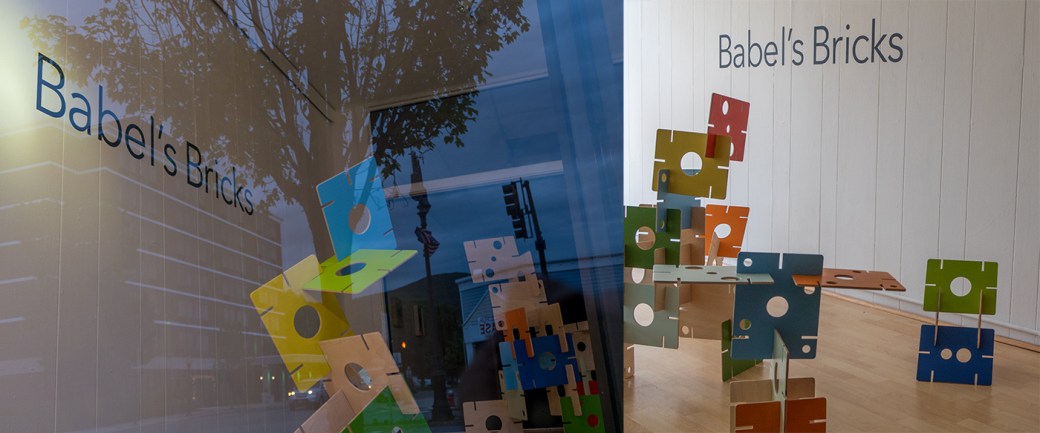 Photos: Michelle Aldredge & Corwin Levi


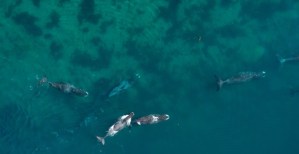 Some of the most secretive whales are the bowhead whales. They are solely arctic dwellers and live their entire lives in cold water. They are the oldest living mammals in the world and, although they grow slowly, they never stop!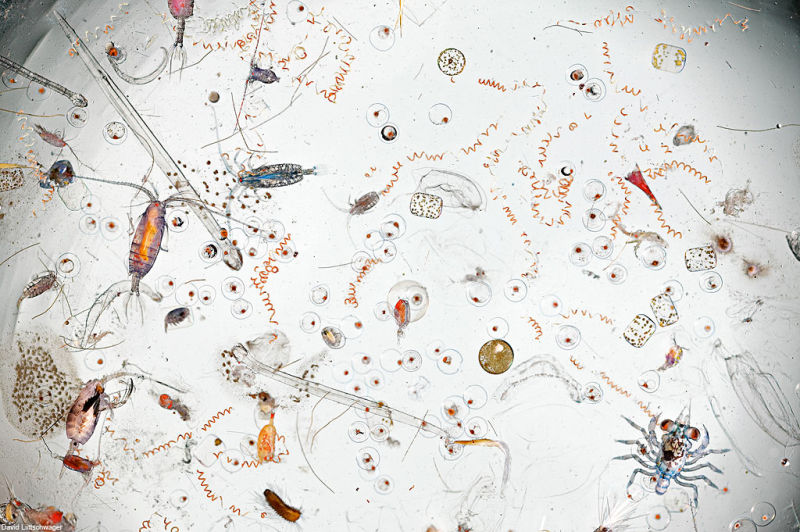
 I am thankful for everyone who came to the opening and to the gallery while I was there. Over three weeks I met many interesting people: travelers, art students, gallery workers, volunteers, fishermen, scientists, artists, poets and thinkers. A gallery space is the perfect setting for starting conversations about art, daily life, science, whales and discovering new ways of looking at the world. I feel energized from the stories people told me about their own encounters with whales and listening to interesting facts that I didn’t know before.


