
Orcaphilia was exhibited at arc.hive artist run centre from January 12-28, 2024
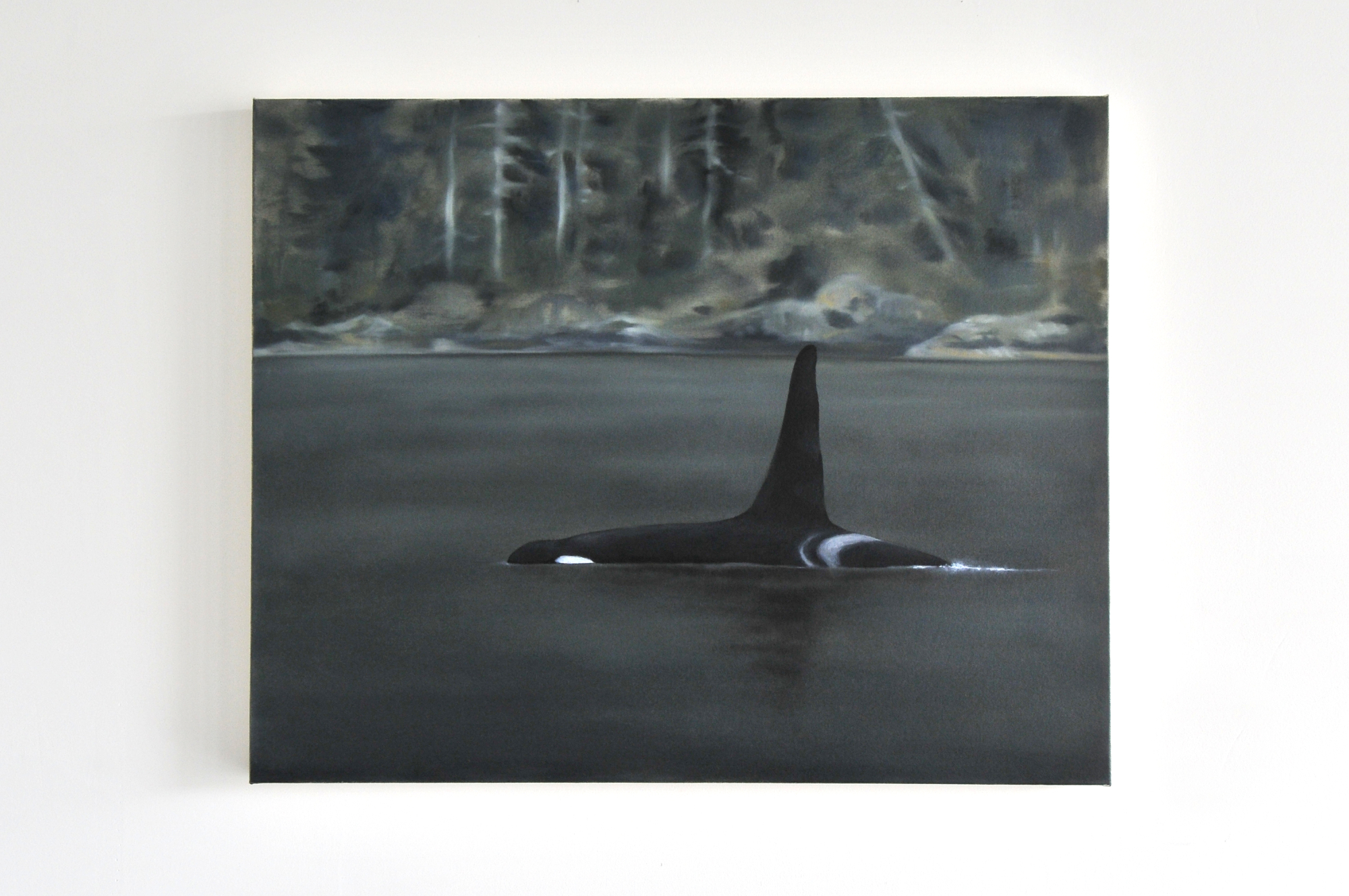
Orcaphilia is an exploration of Natasha van Netten’s admiration and curiosity towards orca. This dynamic collection of paintings, drawings and installations are influenced by her personal experiences and by discoveries made in the field of cetology (the study of whales). While orcas are powerful creatures, they are also vulnerable. The works in this exhibition highlight this duality of strength and fragility.
A special thank you to arc.hive artist run centre for hosting this exhibition and to Efren Quiroz (Exhibit V) for documenting Orcaphilia on video (click here to watch the Artist Talk on YouTube)
Artist Statement
Orcaphilia is an exploration of my admiration and curiosity towards orca. This collection of work is influenced by my personal experiences and by my interest in learning about discoveries made in cetology (the study of whales). This is still a relatively recent scientific field, and many questions remain. The collage-like series of gouache drawings show collections of orcas in the act of breaching. While there are many theories, it is unconfirmed why whales do this. When cetaceans surface, they break a barrier that separates two opposing worlds. The paintings in this exhibition investigate the surface of the ocean as a liminal space, through which we may witness the sudden emergence and disappearance of giants. The sharp contrasts created by the abrupt appearance of killer whales cutting through their environment and the natural cropping of their bodies by the surface of the water are central to this body of work.


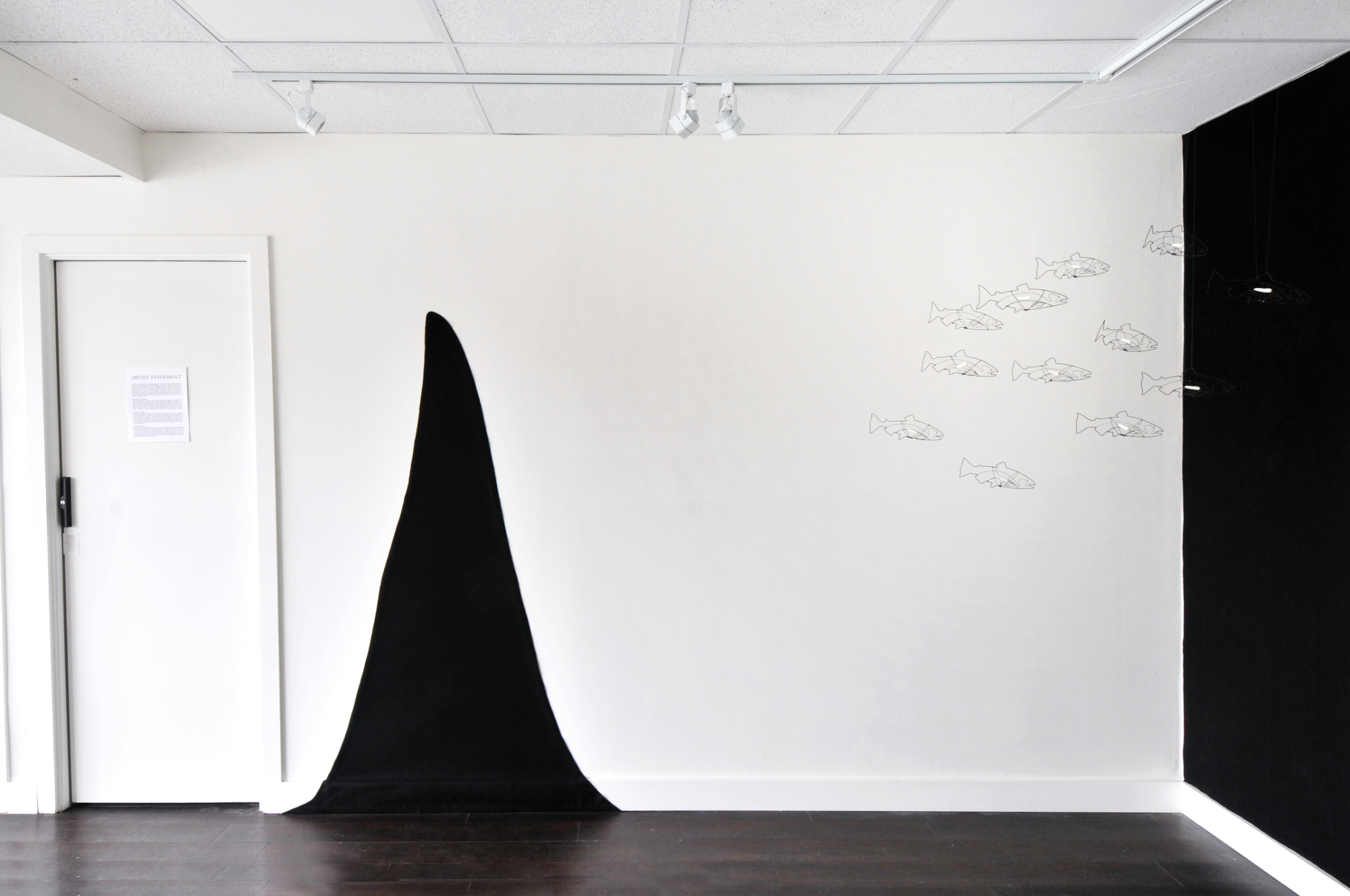
Sound Waves installation
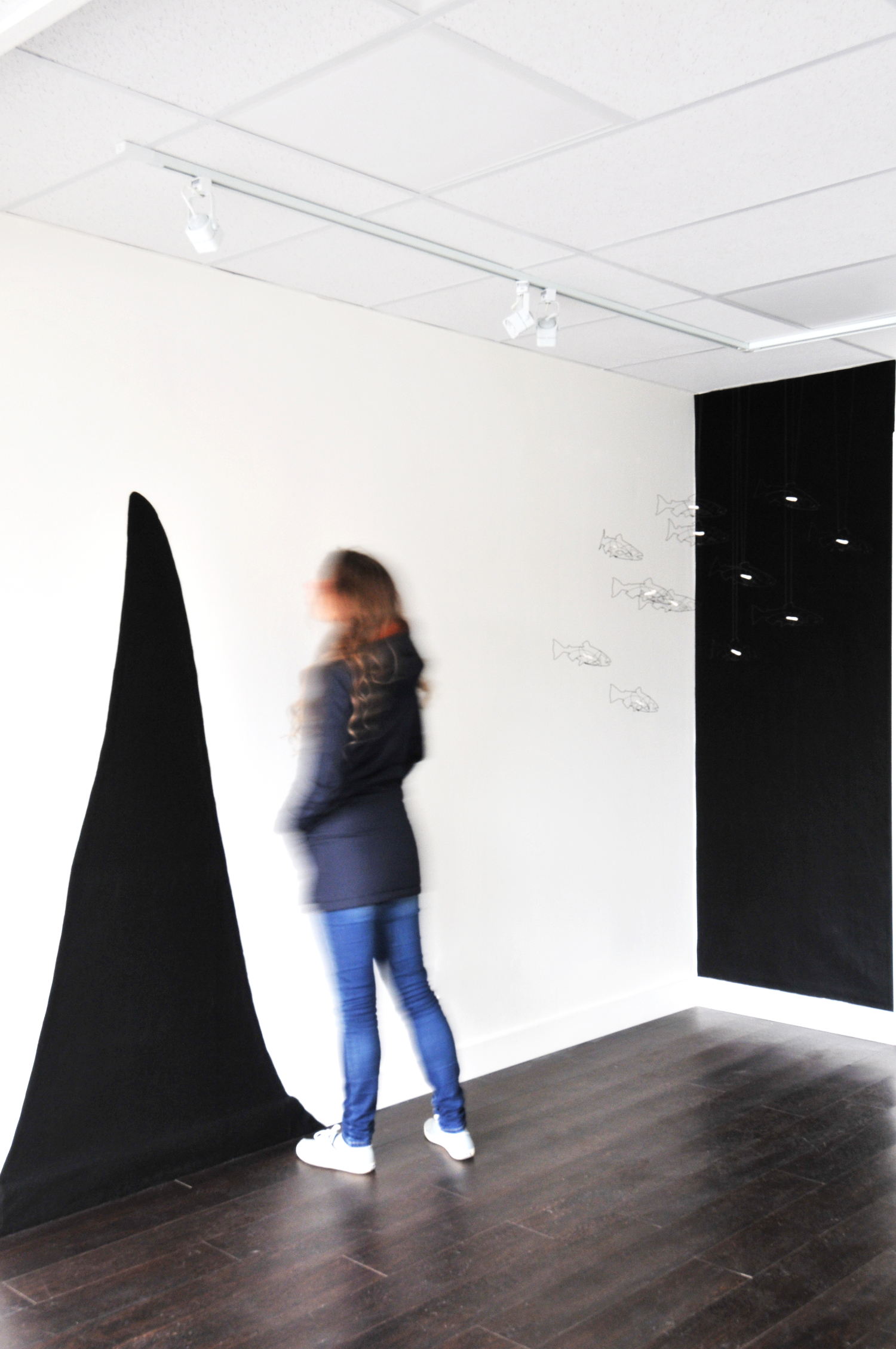
This conceptual work compares two kinds of perception: echolocation and sight. When viewed from the front, the metal sculptures blend into the dark background, highlighting the white tubular forms suspended inside. Orcas use echolocation to detect food, searching for a small organ within the salmon called the swim bladder. Filled with gas, this pocket of air reflects the orca’s sound waves, providing a strong directional signal. This installation features chinook salmon, the pray of choice for Southern Resident killer whales, at a scale to the viewer as though humans were as large as orcas. When viewed from the side, the installation shifts to present a human perspective—the metal forms becoming visually dominant.


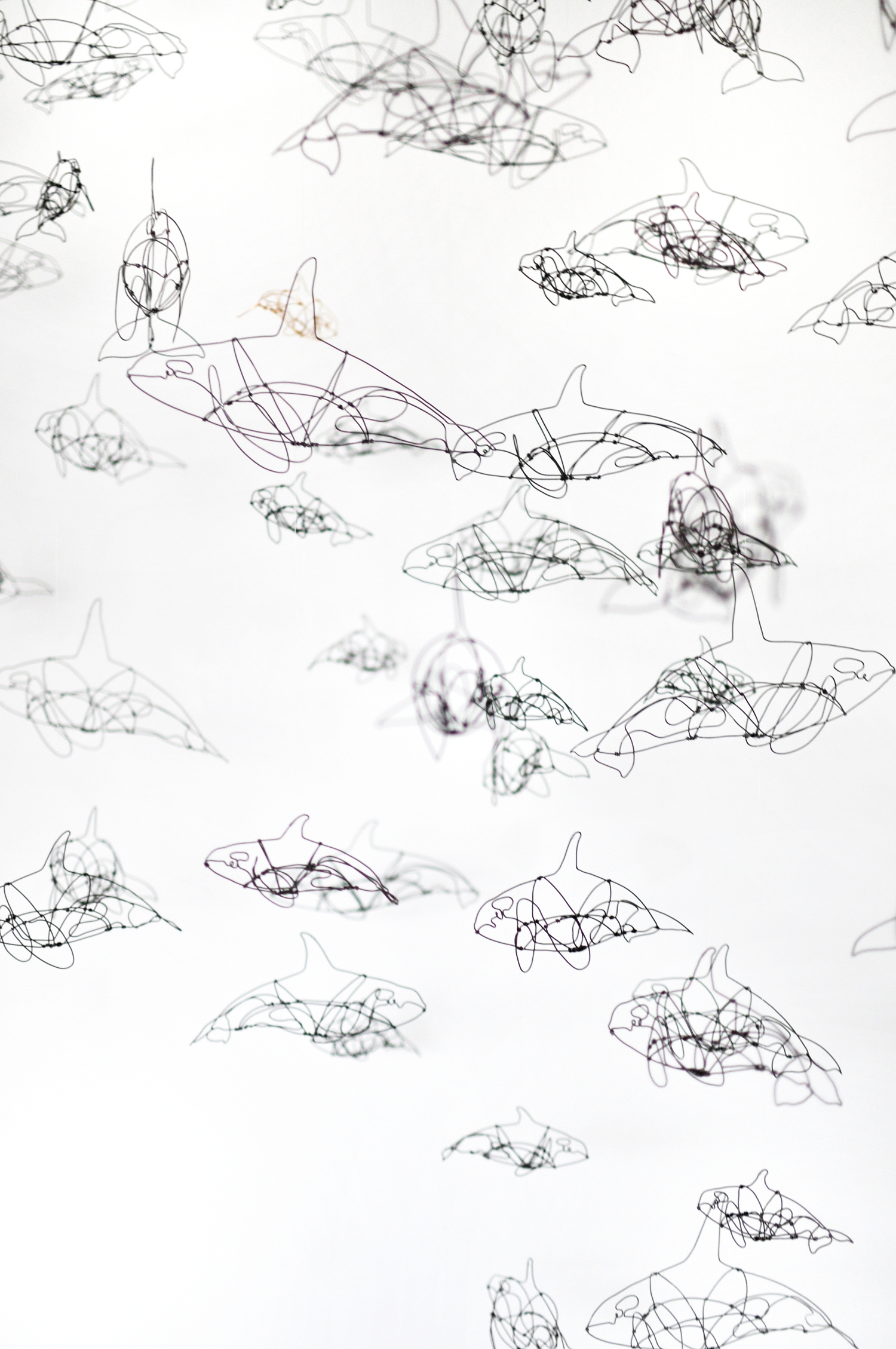
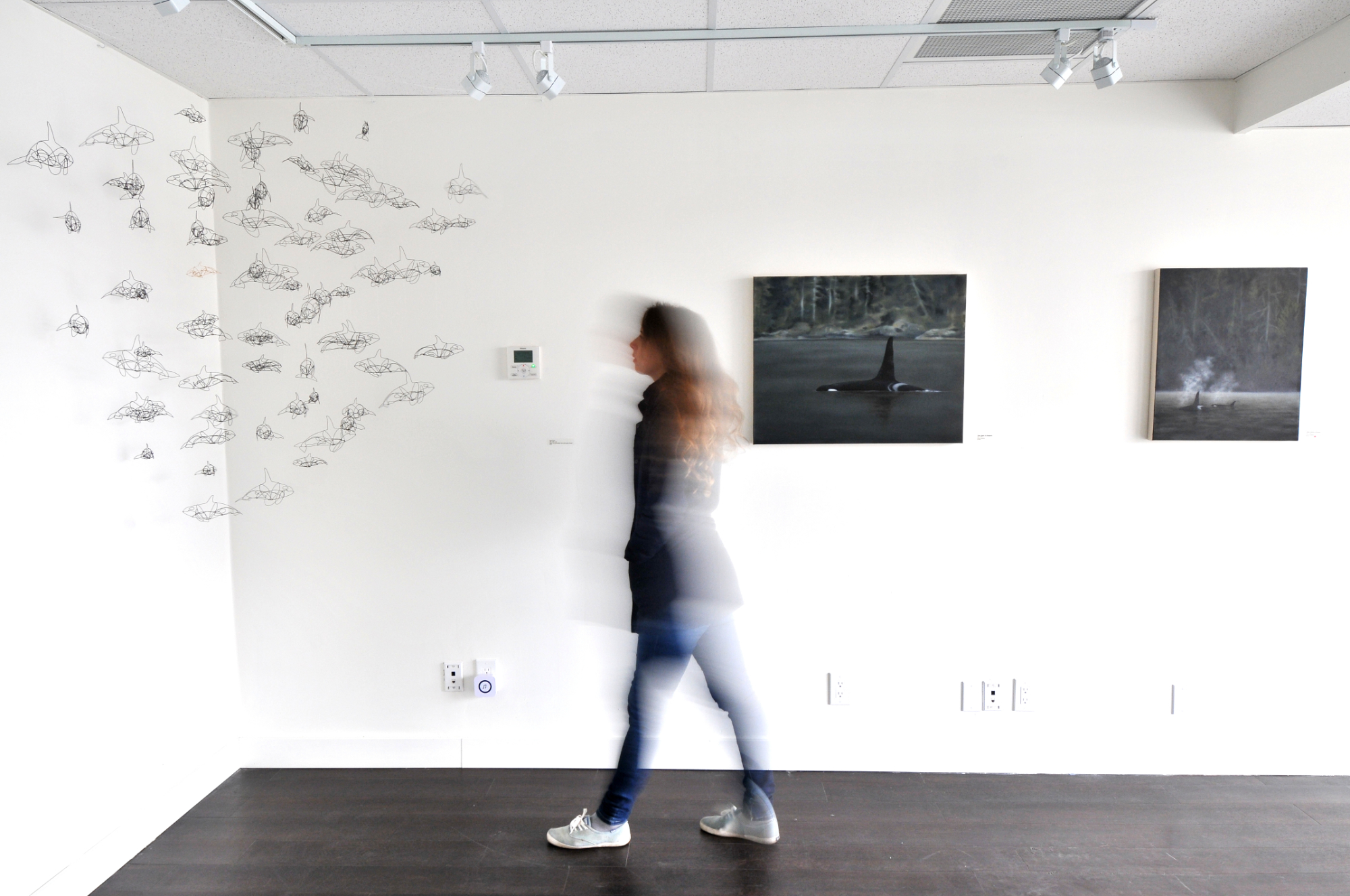
Superpod installation
Echoing the changing population of the Southern Resident killer whales, this installation acknowledges each living member in the three pods. Created at a 1/30 scale, the sculptures are divided into three categories, adult male, adult female and juvenile. This installation emphasizes the fragility of this fluctuating population and gives a visual representation of the population number. This is the seventh installation of Superpod since 2019. Every time it has been shown, it has been altered to reflect the current population—sometimes removing individuals, replacing calves with adults and/or adding new calves. The most recent Southern Resident killer whale birth was recorded on Boxing Day, 2023. This calf is represented in gold.

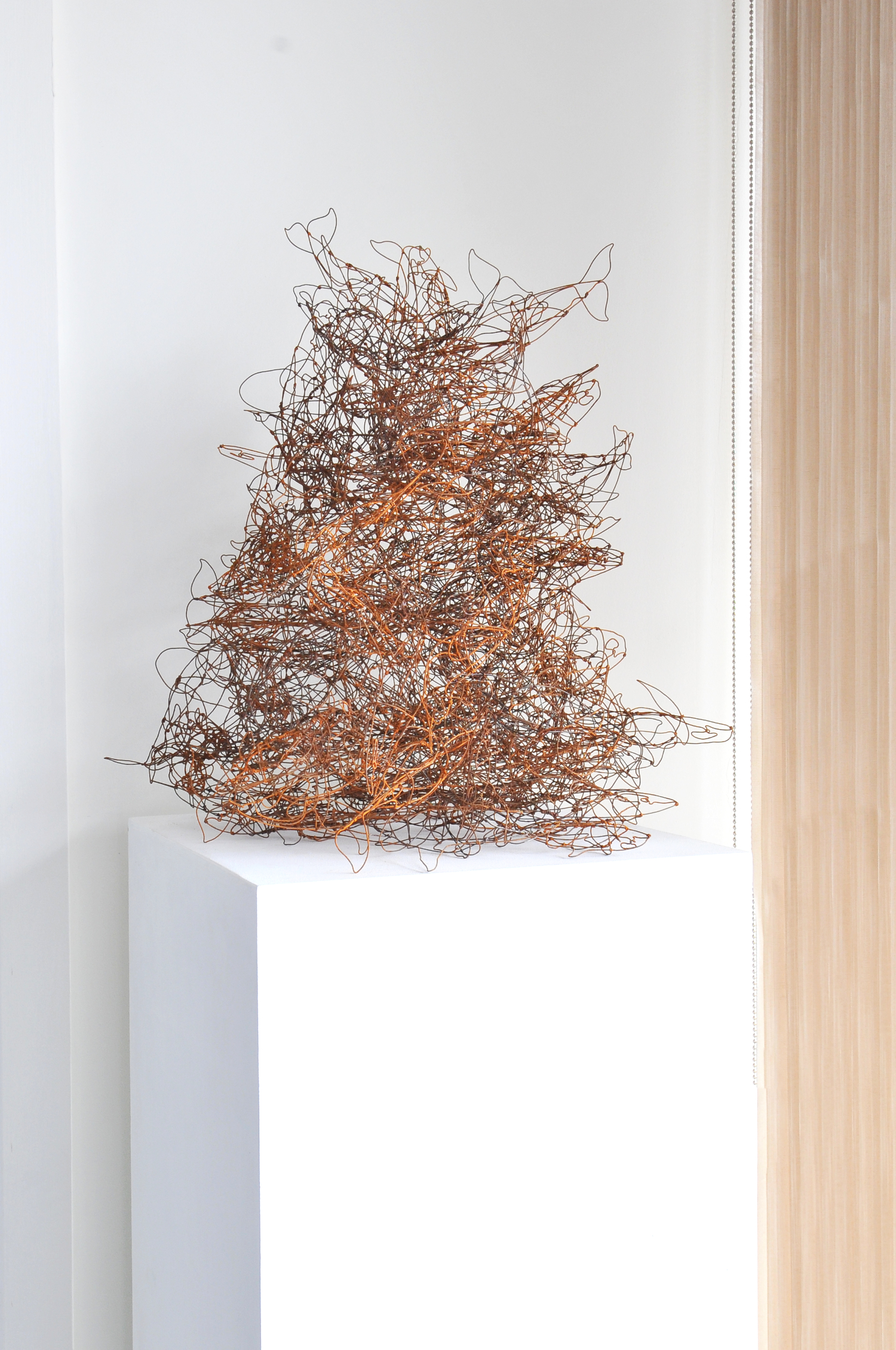
Whalefall installation
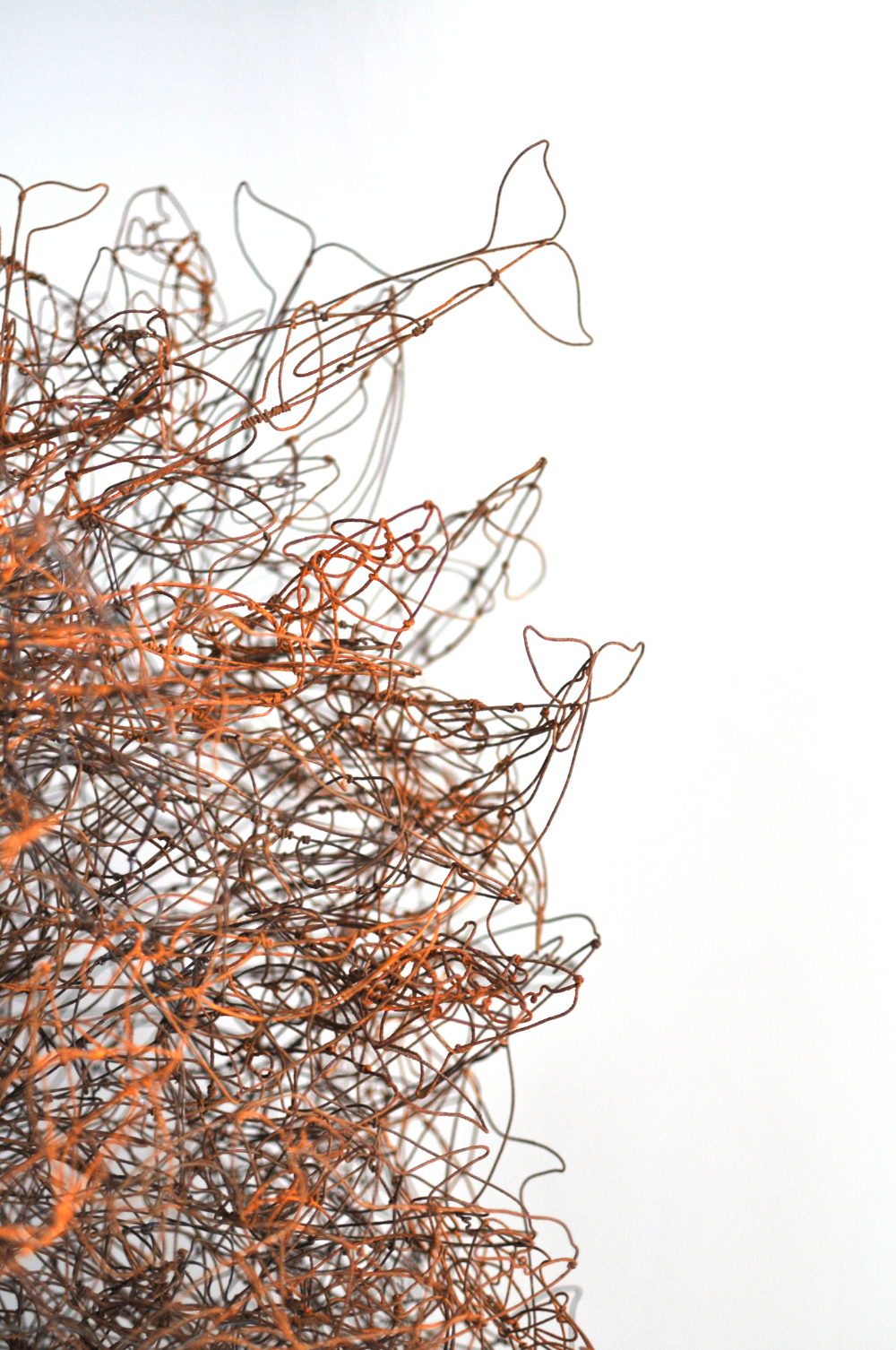
This slowly growing installation reflects on the number of Southern Resident killer whales that have been documented as deceased/missing since identification began in the 1970’s. It currently contains a total of 143 rusting orca sculptures: 41 adult males, 49 adult females and 53 juveniles. Each sculpture has been submerged in seawater to allow rust to form and corrode the steel. Unlike the suspended orcas in Superpod, these sculptures are piled and woven together in a twisted and crumbling monument. The term ‘whalefall’ is used to describe deceased cetaceans when they sink to the sea floor. There, they provide vibrant ecosystems, sustaining an array of life for many years.


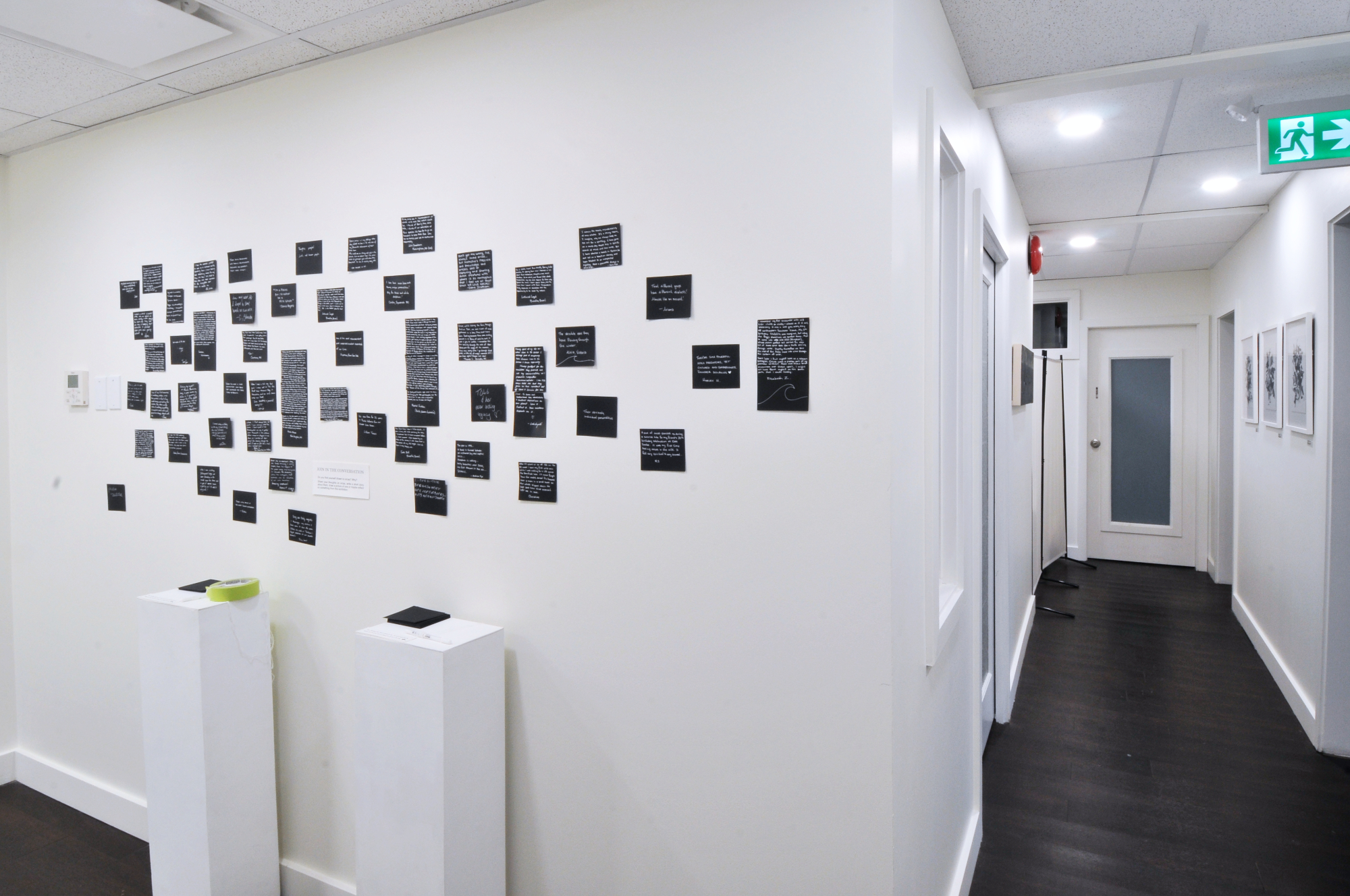
Orcaphilia Quote Wall
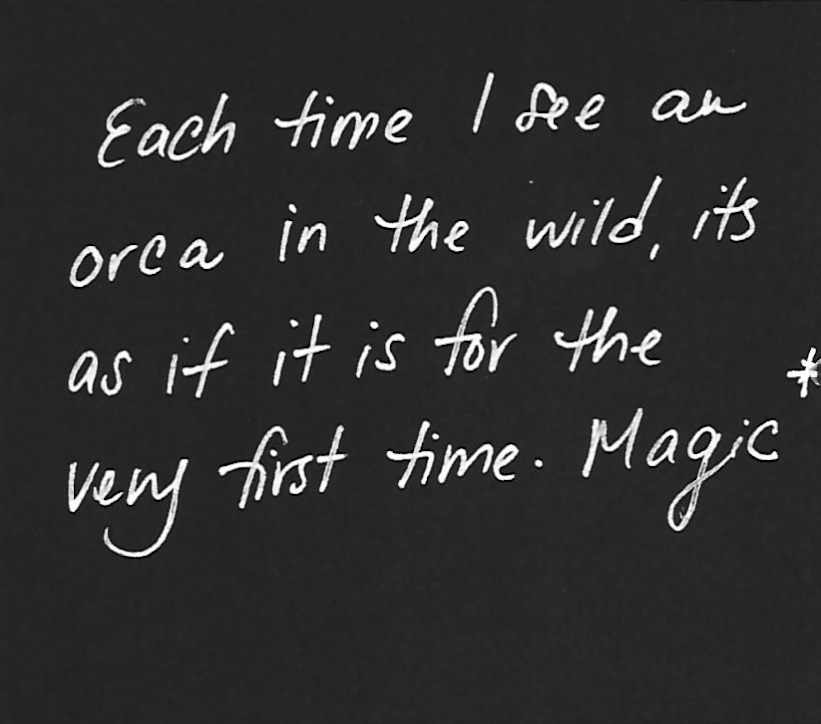
Over the duration of this exhibition, the public were invited to participate (both in person and online) by writing down/sending in their orca stories, thoughts, memories, drawings, reflections on the exhibition and reasons why they find themselves captivated by these creatures. Click here to browse all 94 hand-written cards.
More gallery shorts from the exhibition


 Natasha van Netten