Autumnal Musings: 10 Years

It’s been longer than I care to admit since I have written a post. Thank you for taking some time to read my musings. Welcome back. =)
I have come to the realization the few weeks ago that it’s been 10 years since moving back to Vancouver Island. It felt like such a huge decision to come to Victoria and take the Diploma program at the Vancouver Island School of Art (VISA). My husband suggested that I go to art school. What an incredible person. He drove down with me to help me move into our new (well, new to us) rental apartment near the art school and then went back to work in Jasper, hoping he’d be able to transfer jobs to Victoria. It was a big risk. I remember walking into the art school for the first time and feeling like I had either just made one of the best or one of the worst decisions of my life.

Looking back now, I can see how right I was. In fact, it was a more pivotal decision than I could even have realized. In those three years at school I discovered so much about art and what it can be. I faced many personal challenges, found courage that I didn’t know I had, made long-lasting relationships, found a supportive community, discovered a visual form of critical thinking, and, I know this sounds cheesy, but I became a more authentic “me”.

I had no idea that art would change the trajectory of my life—but it did. I am so glad that I took the risk. In the wise words of Wendy Welch, the Executive Director of VISA, “life is better with art.” I completely agree! It doesn’t matter if you do art full-time or part-time or just for yourself when you are able to find a little time—life is better. It improves mental health, helps you see the world in a fresh way, and welcomes you into a supportive community.

So now I find myself sitting in the same apartment (but now completely over-taken by my studio, cardboard boxes and art supplies ), waiting for my husband to get home from university (where he is now pursuing his interests) and preparing for a couple workshops I am going to be instructing at VISA in the New Year. Full circle. I can’t help but smile. Often it is hard to see the direction you are heading, but when you look back it seems strangely clear. I am ever grateful for the people that supported and encouraged me along the way. ♥ 


Workshops

I am so excited to be offering workshops at the Vancouver Island School of Art. These workshops are created to encourage and inspire your natural creativity. Maybe you’ve never taken a workshop before? I encourage you to take the risk and try. Everyone and all skill levels are welcome.

Register by November 15th and use this discount code to save 15%: WINTER2024ART

Fantastical Jellyfish: Saturday February 3, 1:30-4:30
You will discover many playful ways to use ink while drawing and painting jellyfish in this afternoon workshop. These ethereal creatures are made of 95% water, which is why the liquid quality of ink works so well to express their forms. Ink and water can be challenging to control—wanting to bleed, flow, run and drip. Learn how to use these characteristics to create interesting and surprising artworks. In this workshop you will discover new approaches to artmaking that can be applied to a variety of aquatic life. Suitable for all levels. All supplies included. Click here for more info & to register
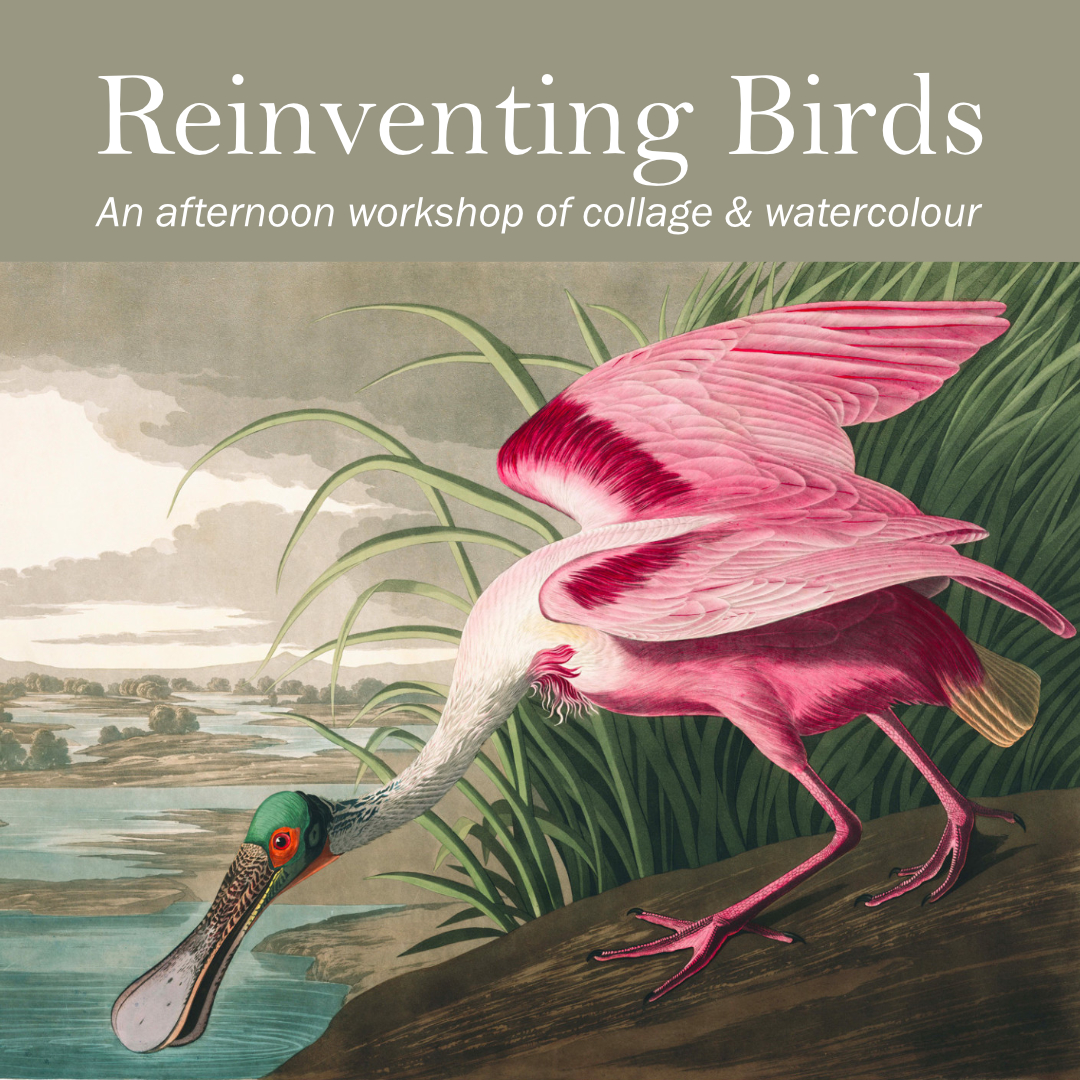
Reinventing Birds: Saturday March 23, 1:30-4:40
This workshop will focus on creating artworks inspired by ornithology—the study of birds—with a whimsical twist. You will use collage as a starting point to develop a composition because collage offers an immediacy that allows you to begin a work without necessarily having a specific idea. You will create two artworks in the duration of the workshop: a collage based on an Audubon image, followed by a watercolour painting influenced by your collage. This workshop will awaken your imagination while revealing the freedom of collage-making and how to use watercolour to interpret forms. Suitable for all levels. All supplies included. Click here for more info & to register
July Events

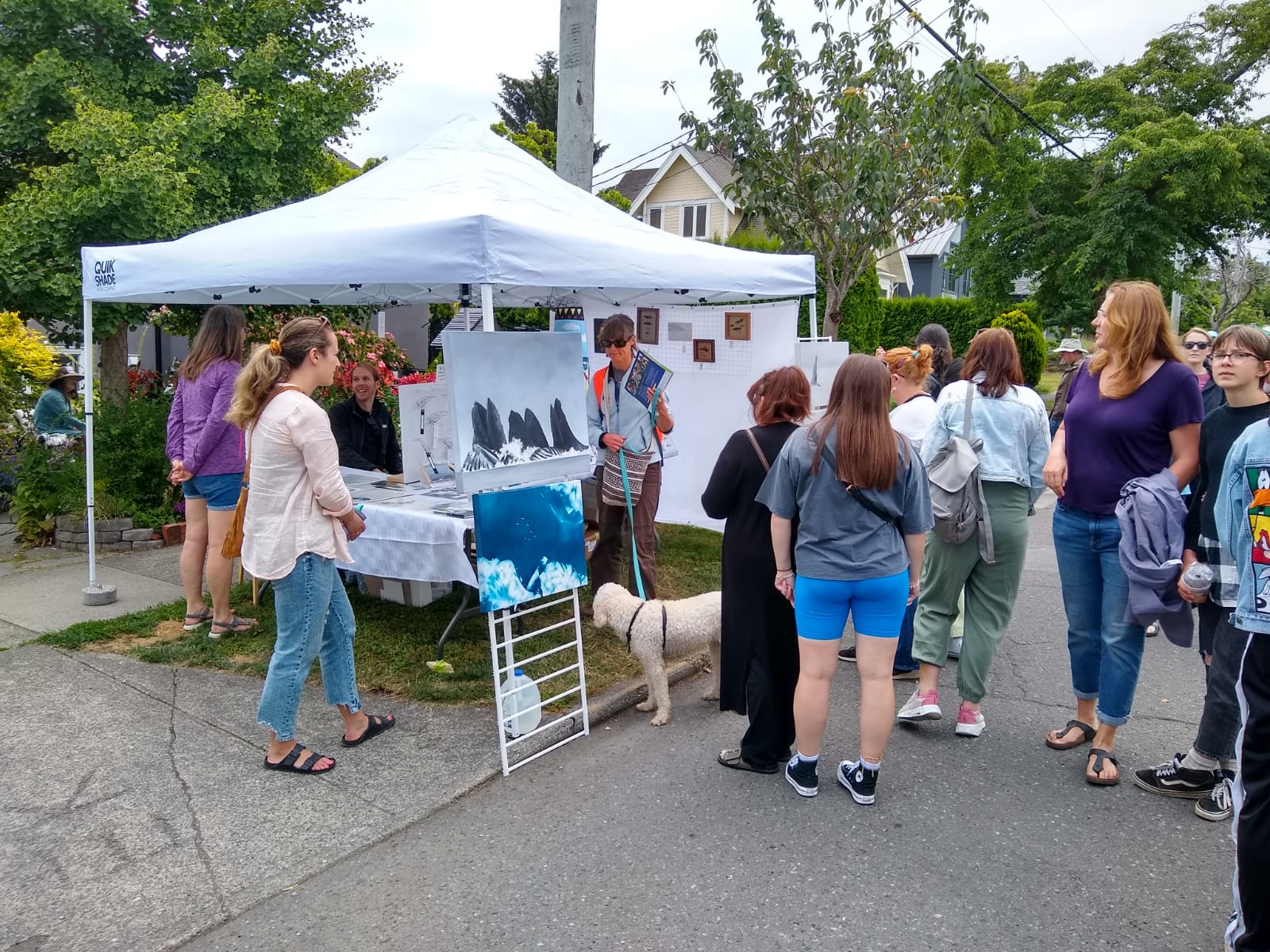
This Weekend: the Paint-In

This Saturday is the 34th annual TD Paint-In event hosted by the Art Gallery of Greater Victoria. There will be over 160 artists, food trucks, art activities, live music and more!
Paint-In INFORMATION

When: Saturday July 15 between 11am-4pm

How to find me: I will be located at booth #115, on Moss Street between Faithful and May (near to Dallas Road where there will be lots of parking)

List of Artists – use this list to see what artists will be attending and where they will be located

Digital Paint-In Map – this map shows the length of Moss Street and indicates the artist booths, bathrooms, music, food, info stations, water station, etc.

‘How to Paint-In’ – tips for planning your time at the Paint-In


Next Weekend: Weekend Workshop

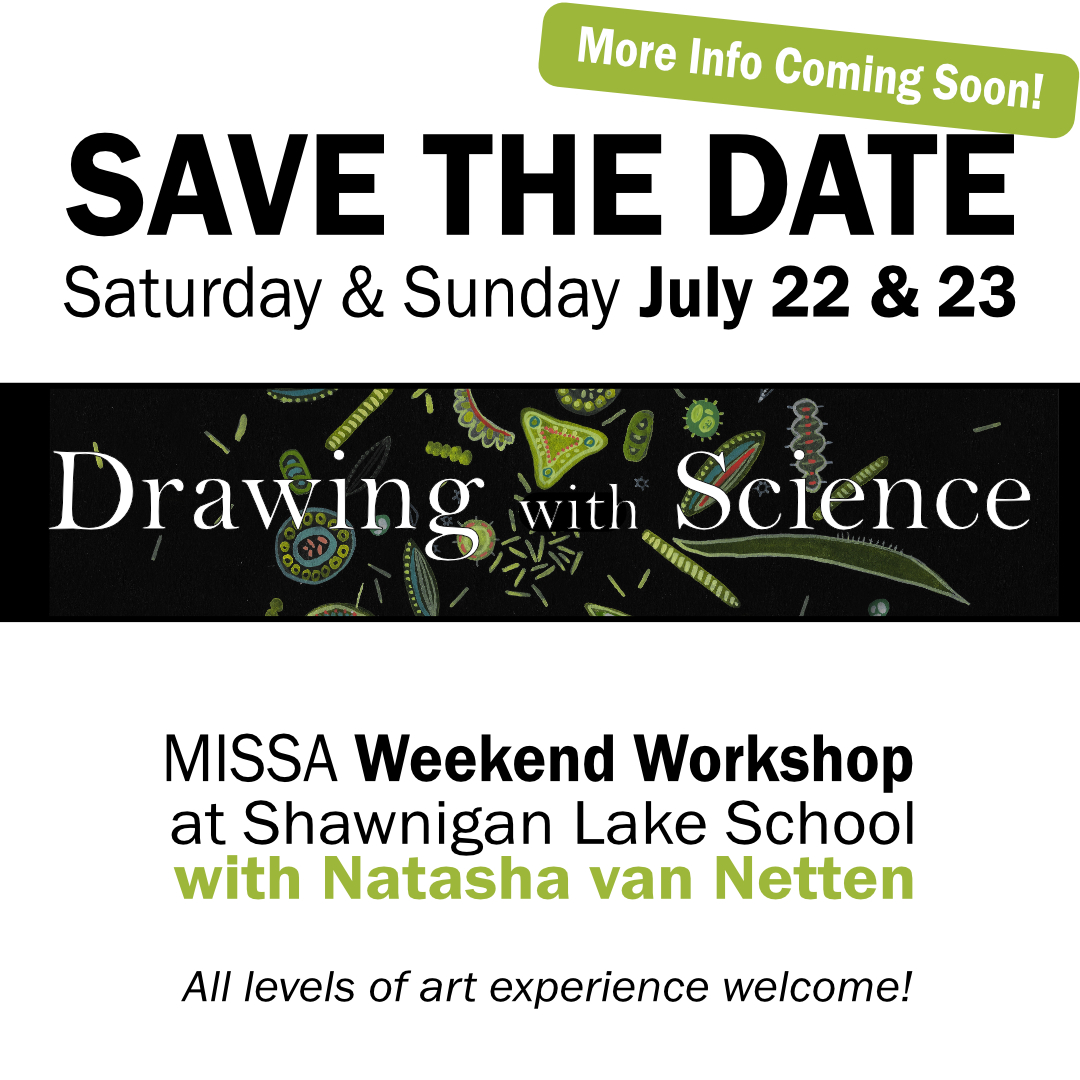
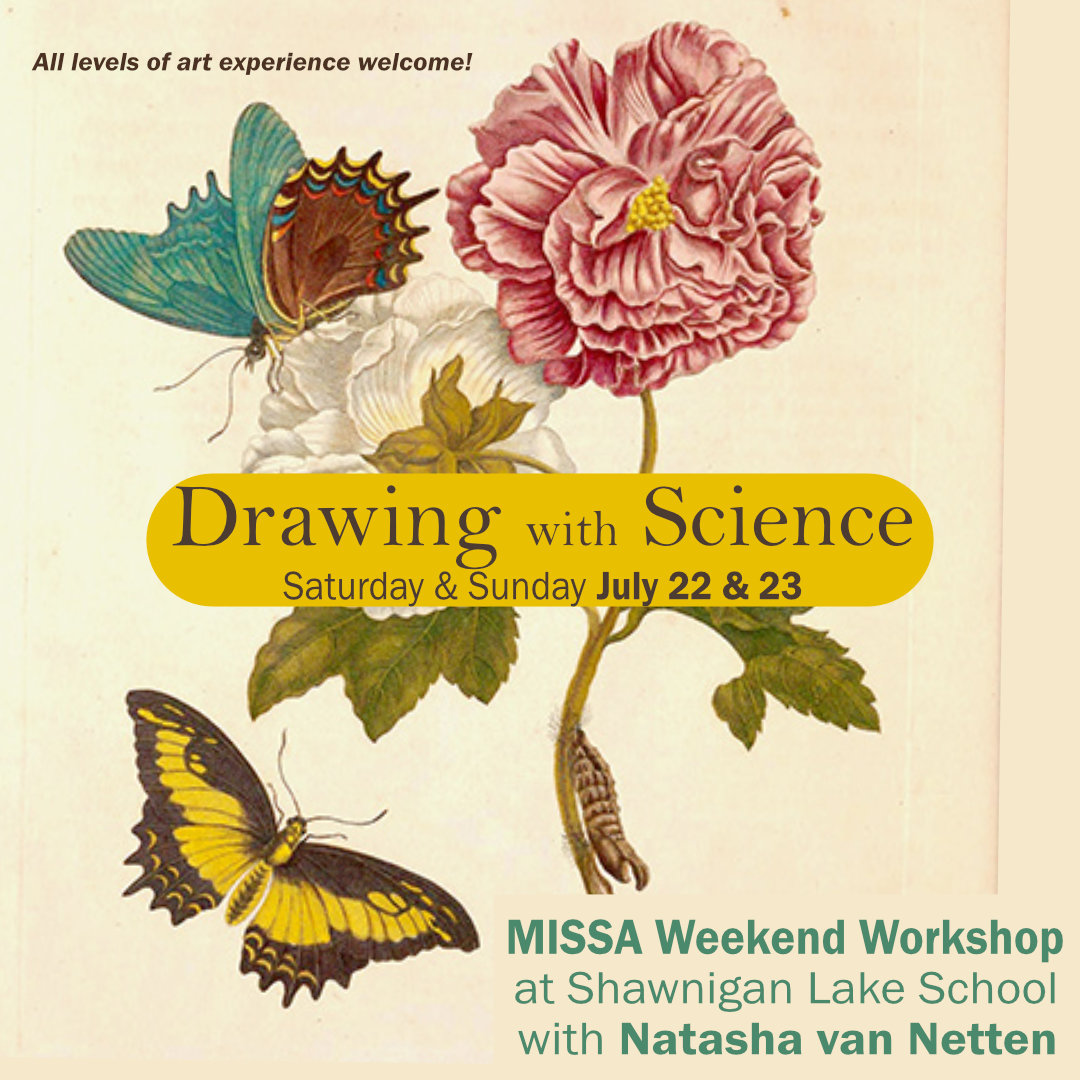
Join me for a weekend drawing retreat located at the beautiful campus of Shawnigan Lake School! I will be walking students through a series of science-inspired projects, introduce an array of inspiring historical and contemporary artists that made/make sciart (yes, science/art) and make discoveries together. This workshop is for adults, no experience necessary. There are still a couple spots available if you would like to join!

Drawing with Science Information

When: July 22 & 23 (Saturday and Sunday) from 9am-4pm

Cost: $362 (includes lunch) (also, onsite accommodation with breakfast and dinner options available)

Workshop Webpage – an overview of the workshop and registration link

Supply List – items that students should bring to the workshop

MISSA – what is the Metchosin International Summer School of the Arts?

Southern Residents

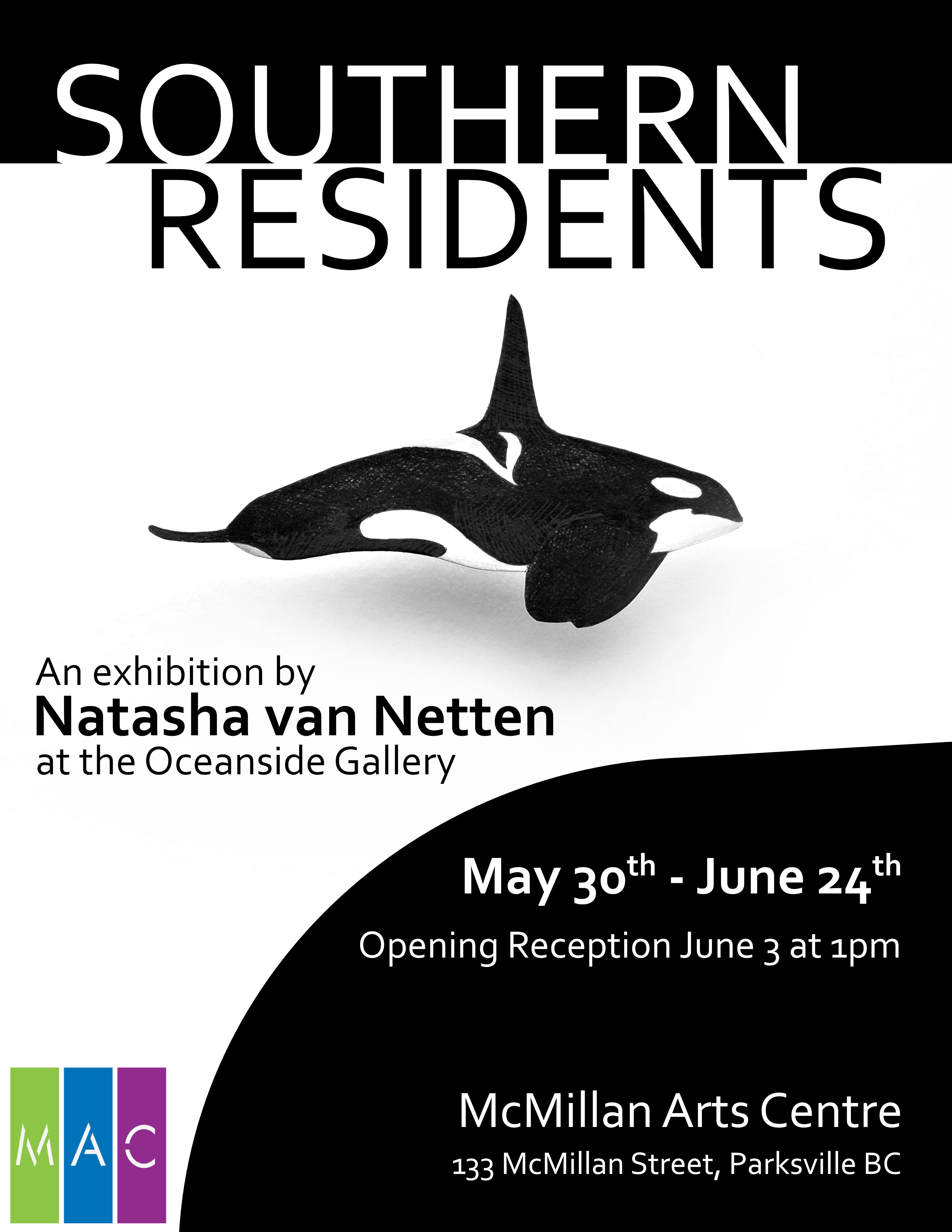
I am thrilled to announce my newest exhibition, Southern Residents, at the McMillan Arts Centre in Parksville, BC!

This exhibition is happening along with Ocean Week Canada and Orca Awareness Month (which is the month of June)!

The work focuses on a specific type of killer whales, the Southern Residents. This small population is one of the most researched groups of orca in the world. They have made international news on multiple occasions (for example, you may remember Tahlequah the orca that carried her deceased calve on her head for 17 days back in 2018). According to the most recent population count, there are only 73 members left.

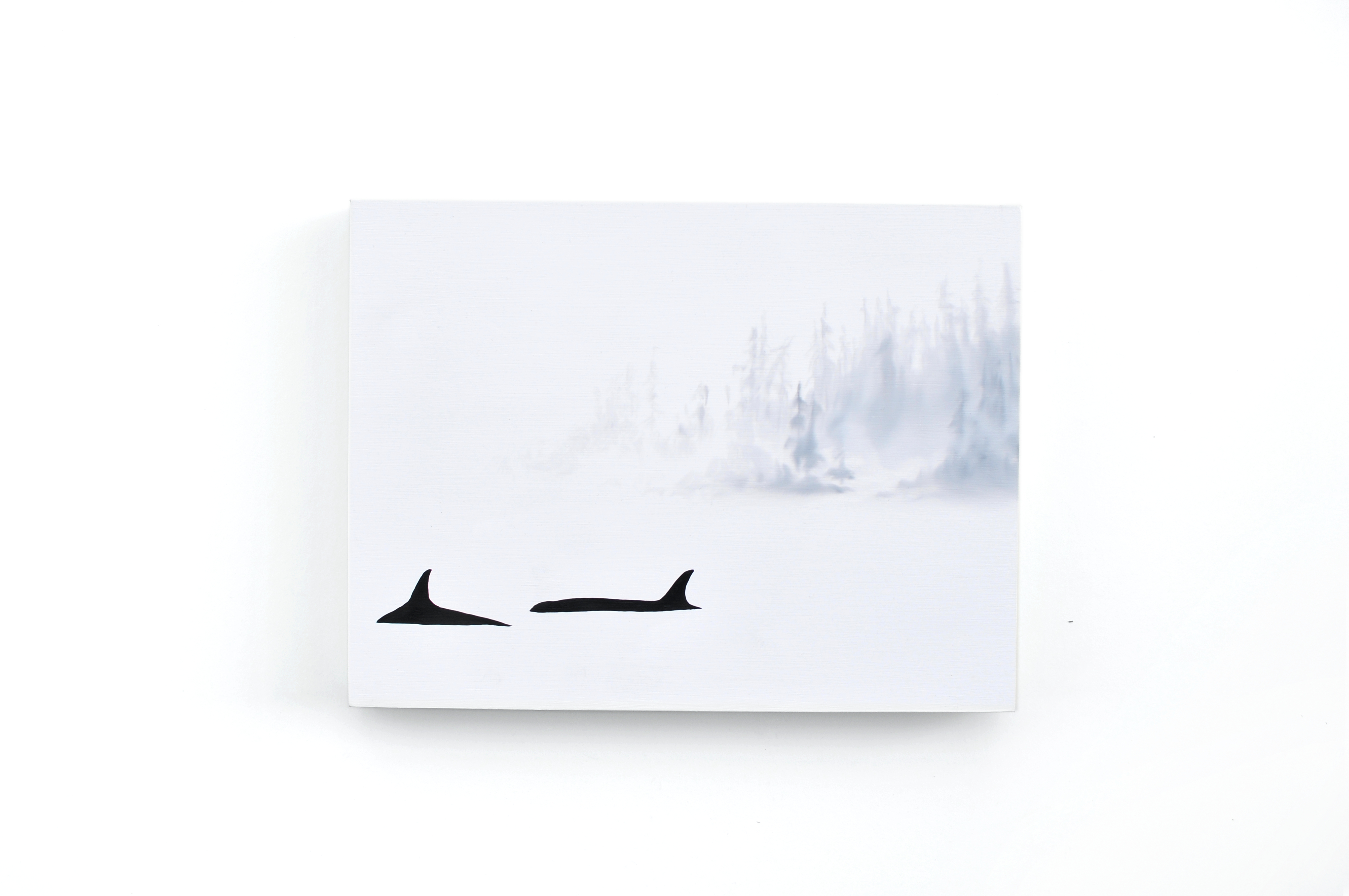
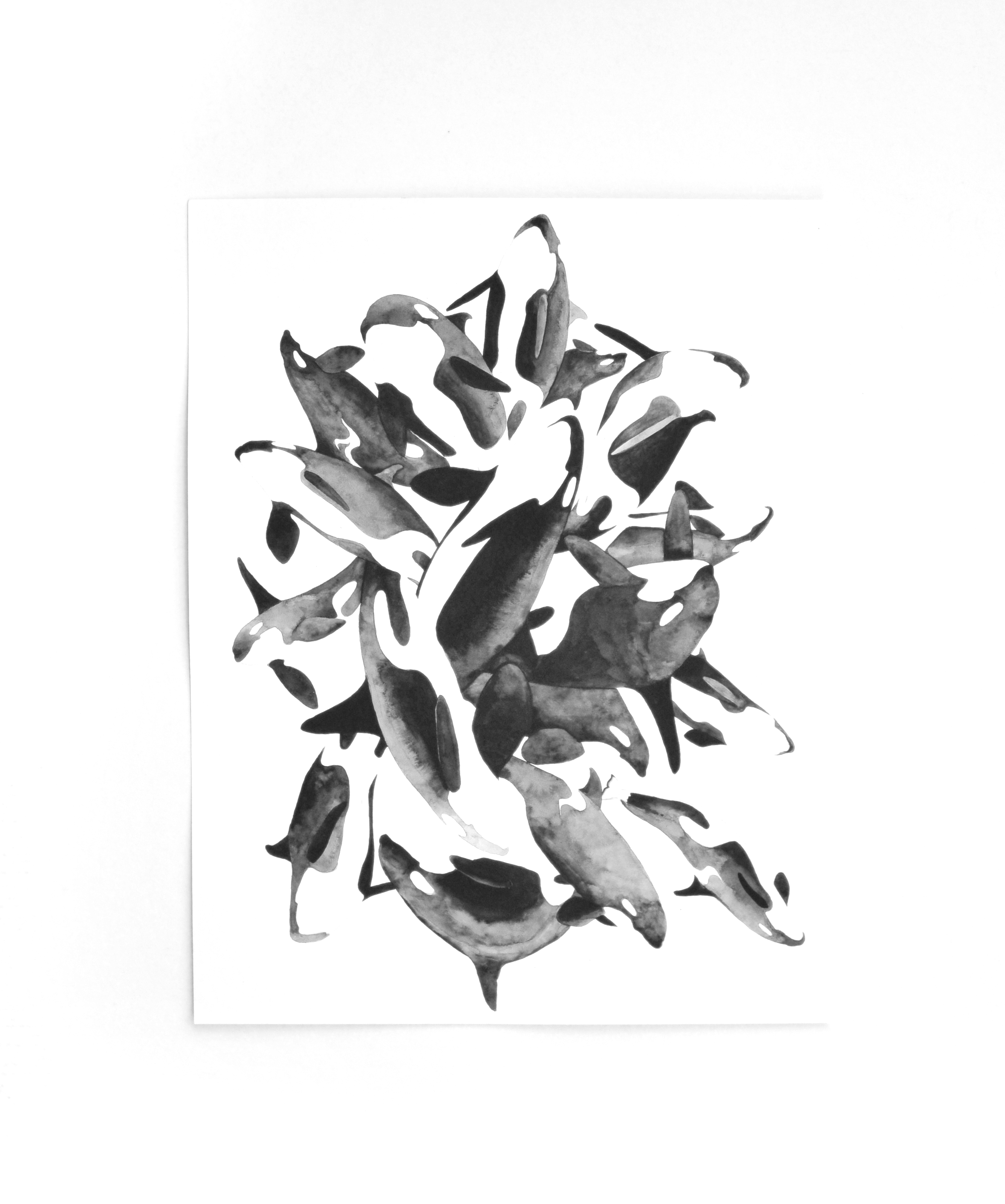
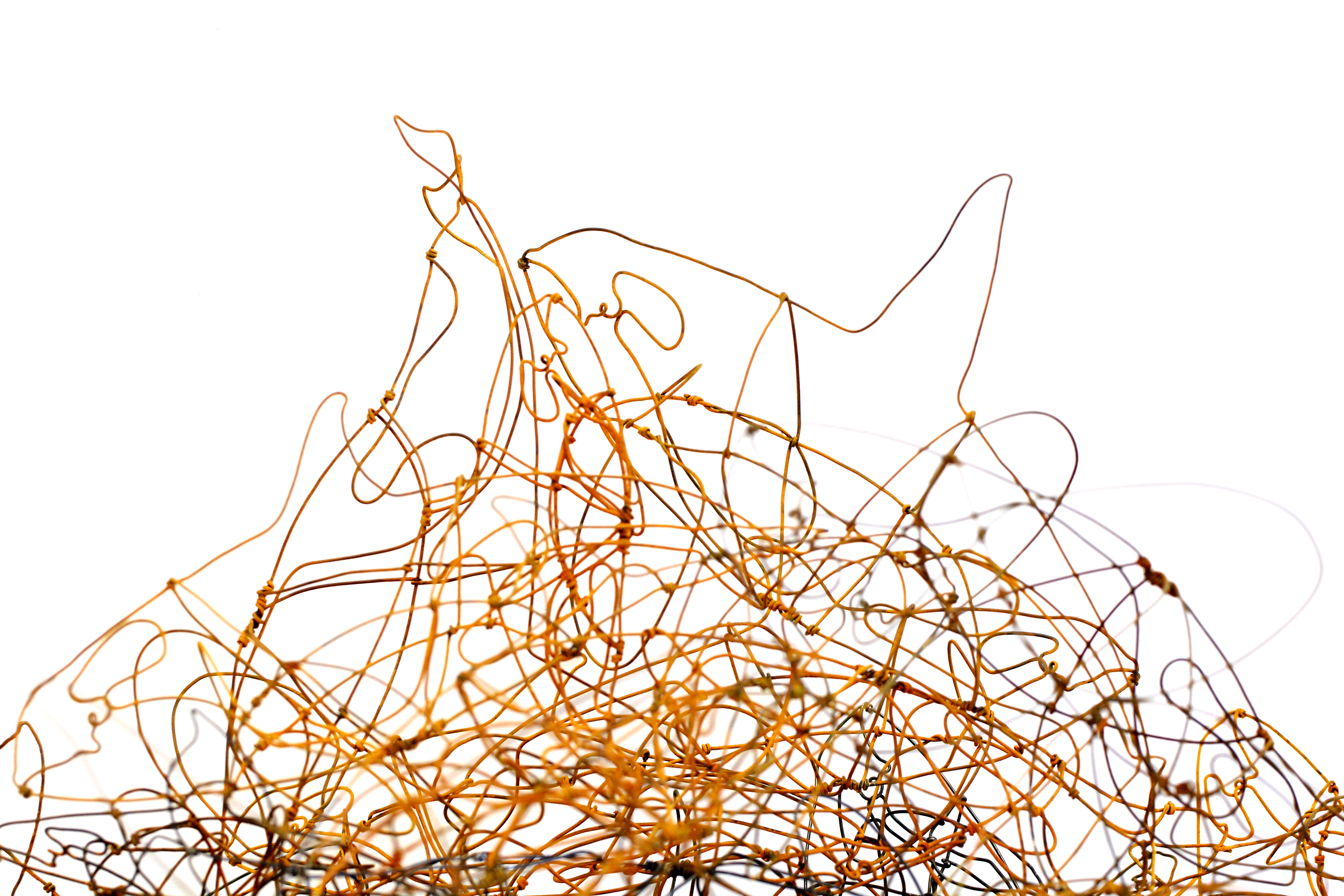
Southern Residents contains oil paintings, gouache drawings, ink drawings and metal sculptures. The work investigates the uniqueness of each individual member, their lifespan, fluctuating population count, their activity and stillness, and more. For further information about the exhibition, please visit the McMillan Arts Centre (MAC) website here.

You are invited to the Opening Reception, which will be happening tomorrow, Saturday June 3rd between 1-3pm. There are also two other exhibitions opening at the same time at the MAC, so I am sure it will be a fun and interesting event! Artist introductions will be happening around 1:30, after which I will be giving a short introduction to my work in the Oceanside Gallery.

On Sunday June 4th between 12-3pm, I will also be in the gallery and I have prepared a free activity for those who would like to participate: Colouring Bookmarks! Colouring stations will be set up in the gallery, where you can spend a little time making a unique bookmark to take home.

Here are a few images of the work in Southern Residents. For images and info about available works, please check out this page on my website.

Whale School

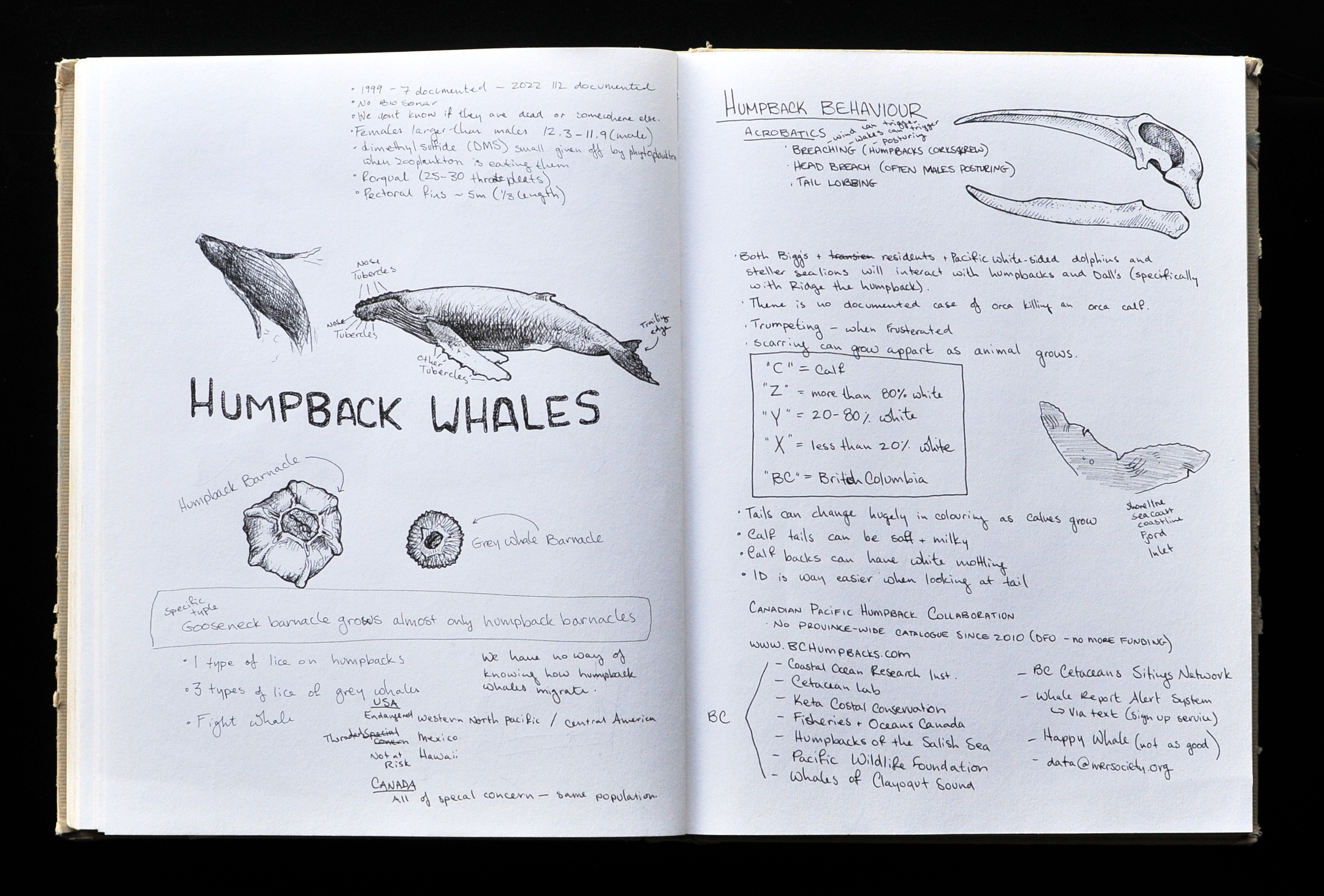
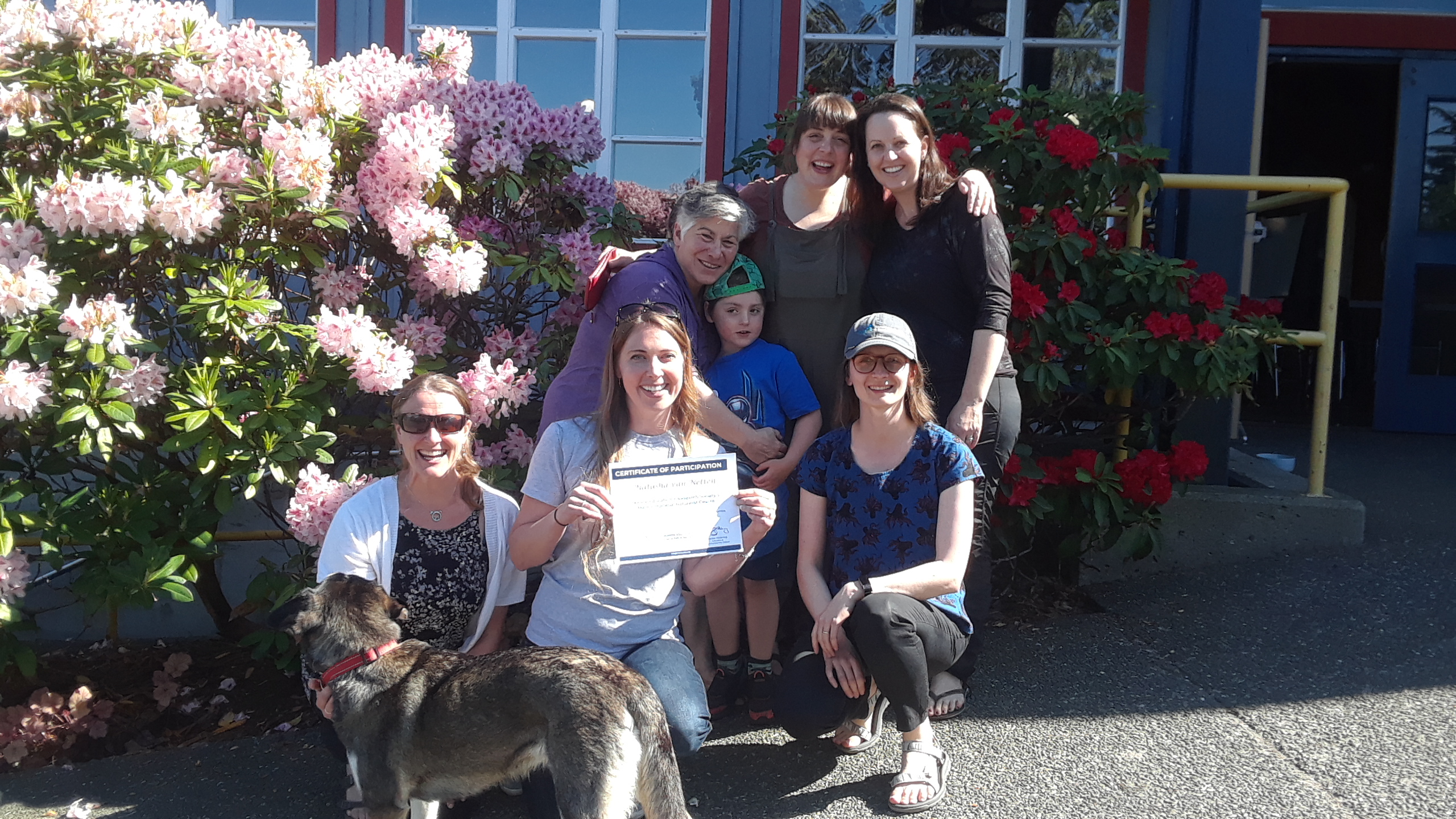
I am overwhelmed with gratitude. A little while ago I was blessed with the opportunity to attend the Marine Mammal Naturalist Course. This surprise gesture has made a big impact on me and the way I reflect on my ability to influence, encourage and champion people I meet every day. We have the ability to break away from our normal routines and surprise someone by taking time to speak into their lives, show them you care and encourage them along on their path. Thank you so much to the couple who did this for me. 🙂


Marine Mammal Naturalist Course

The Marine Mammal Naturalist Course (aka whale school) is taught by the Marine Education & Research Society (MERS). The purpose (or should I say ‘porpoise’) of this class is to learn about marine mammals within the context of sharing and communicating information about them with the public and about the value of keeping wild animals wild. The majority of the students in the class are starting summer jobs working on whale watching vessels, on overnight kayaking tours and other jobs in ecotourism. I consider myself fortunate to be able to take a class like this that is so connected to my art practice.

Our Ocean is Darkwith life!

Do you know that saying, “it’s hard to see the forest through the trees”? Well, the ocean waters in the Pacific Northwest should have a similar saying. It would go something like, “it’s hard to see the sea creatures through the sea creatures”.

Our waters are DENSE with life! Especially tiny lifeforms, which can make the water murky. This poor visibility is one of the reasons why we have such a wonderful diversity of marine mammals! Lots of tiny creatures = lots of delicious food for big creatures.

Plankton

Did you know that the word “plankton” comes from Greek and it translates to “drifter”. Basically, plankton are things that live at the mercy of currents and tides, suspended and floating in the water column. Here is a link to a page by NOA (National Ocean Service) that goes into a bit more depth. Yes, many types of plankton are tiny, but some are larger than you might think! Did you know that jellyfish are a kind of plankton? I didn’t! Mind blown.

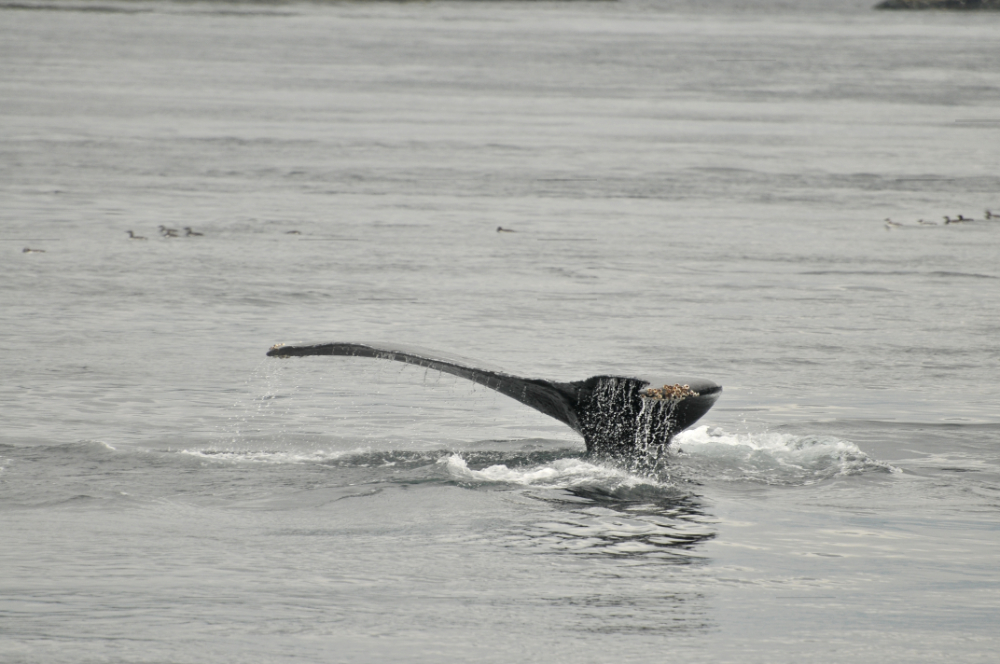
Whale Barnacles

I realize this may not be everyone’s cupa tea. And to those people, I apologize. You should probably just skip down to the next point. Or, if you want to push your comfort zone a bit, keep reading ana open yourself up to my enthusiasm. It’s a safe space here.

Oh boy! Whale barnacles! This is actually one of my favourite creatures (well, a couple of my favourite creatures)! I LOVE whale barnacles SO much! Why, you ask? Because 1.) they are incredibly specific, and 2.) they live on whale planets (I’ll explain more as you read).

In class, we talked about two kinds: Humpback Barnacles and Grey Whale Barnacles. Each species will only settle down on its namesake cetacean. Talk about specific! Especially when one considers that barnacles begin their life cycle as small, shrimp-like plankton floating around in the water column, hoping a whale will swim by. And not just any whale. Their species of whale.

I love the idea that these creatures, once they have found their whale and start settling in for the rest of their lifespan, are now committed to that whale. Humpbacks and grey whales both migrate. Traveling long distances, swimming through different submarine climates, living their own life cycle, and taking along these crusty animals with them. Basically, they live on planet whale, who is hurling itself through watery “space”. An ecosystem existing on a creature within an ecosystem.

If you are sad that I am moving on to write about something else, here is an article I just found on Hakai Magazine with more about whale barnacles.

Orca

We reveled in an entire day learning about killer whales! That is a quarter of the course! Which was perfect timing for me because I have been busy creating an exhibition about Southern Resident killer whales (which just opened on Monday). I have been doing my own research into orca a while, but this was the first time I could ask as many questions as I wanted and just sit there and soak up in-depth information and knowledge. Here is a quick summery.

There are three kinds of orca along our coast: Bigg’s/transient (mammal eaters), Southern and Northern Residents (fish eaters) and offshore orca (eats mainly sharks, skates and rays). Of these three types of orca, we know the most about the Residents because they are smaller populations. Female orca go through menopause, which is also quite unique in the animal kingdom. Orca live in family clans which are lead by the matriarch (this is special because most species leave their mom as they mature, but orcas stay with their mom/grandma/great grandma/etc.). Killer whales live in an acoustic world. Remember how cloudy our water can be? Orca use bio sonar to “see”. Similar to how bats use echolocation to catch moths flying in the dark, orca use it to locate their prey in the ocean. For Resident orca, their echolocation can identify the swim bladder of a salmon, which I have heard is the size of a pinky figure. If this is the kind of information that gets you excited, here is a research article published by the University of Washington that goes into depth about salmon swim bladders and orca. If you scroll down, you will see an image showing the variation of shape/size of swim bladders in different species of salmon and here is another article on Science.org that summarizes the first article and is an easier read.

Whale Watching

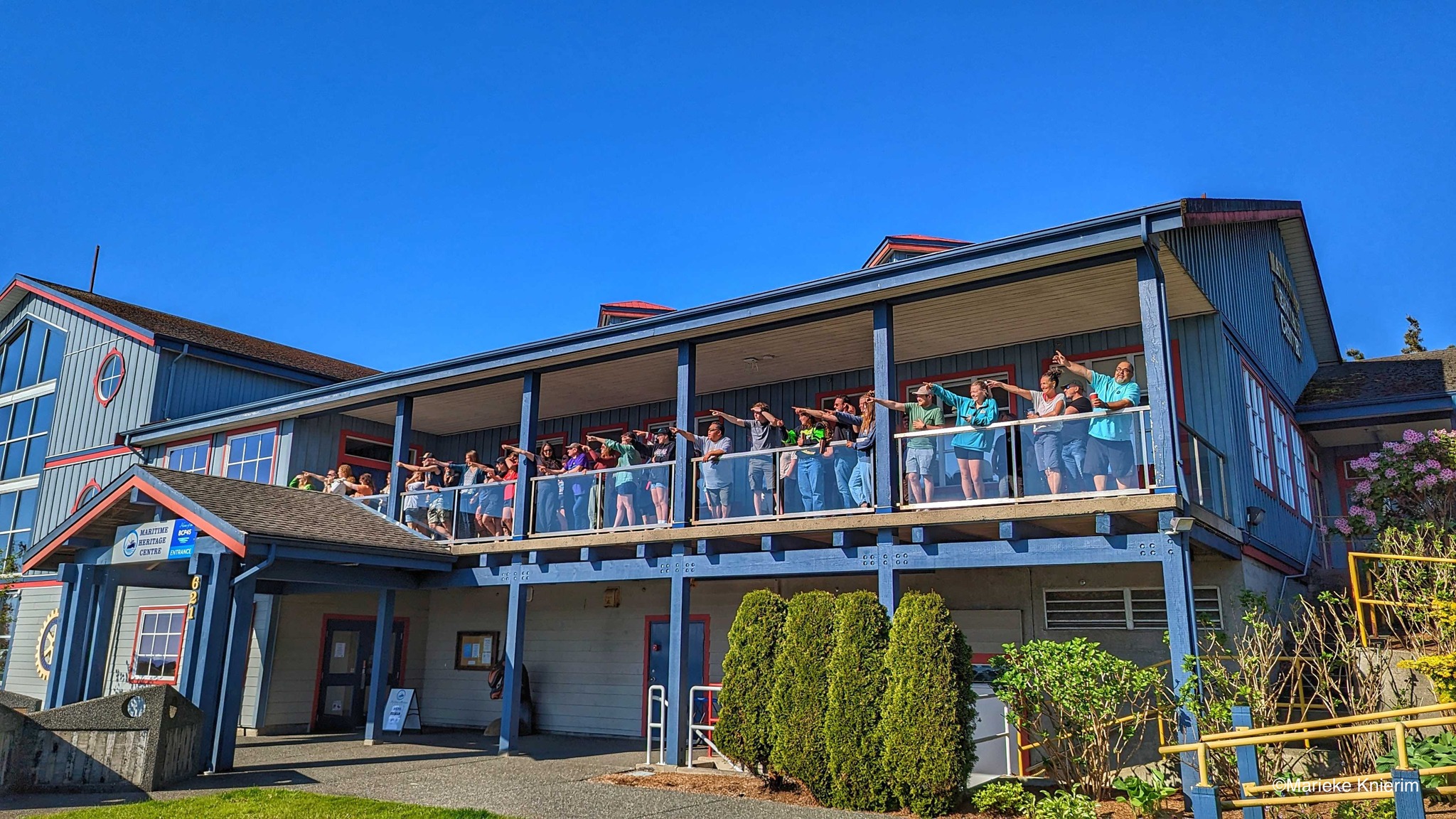
We were just sitting down to do a visual identification quiz about dolphins and porpoises, when someone yelled “Dolphins!” And yes, outside our classroom, which was located at the Maritime Heritage Museum in Campbell River, was a pod of dolphins! The timing couldn’t have been better. We all ran onto the balcony and watched the dolphins (Pacific white-sided dolphins), who were probably hunting fish in the channel as the tide turned. Later that day we were interrupted again. “Orca!” And we all stampeded onto the balcony and watched killer whales across the channel. The next day, as if this couldn’t get any better, someone yelled, “Humpback!” And yes, back to the balcony we went. One of the staff members used a pair of binoculars and could see that the boat in the channel had a whale warning flag up—alerting other boats that there were whales in the area, so they could slow down and could avoid a possible collision situation. Not bad cetacean action for a purely classroom-based course! Needless to say, I was absolutely thrilled!

And so much more!

We also learned about humpback whales, seals, sea lions, sea otters, river otters, minke whales, Dall’s porpoises, Risso’s dolphins, elephant seals and more! I realize though that I am probably going on a bit long already, so I will wrap this up. The course was incredible. To be surrounded by people that share the same deep interest in marine biology, cetology, whales, marine mammals and whale barnacles was absolutely amazing! I have mentioned before that information has always been at the centre of my art practice. It inspires me to think of creative ways to communicate about whales in a visual way through my art. Bringing science and art together.

I feel so blessed to have had this experience and know it will continue to deepen and strengthen my art practice in the future as I let the things I learned sink in. Stay tuned for more art to come!

SURFACE TENSION

I am thrilled to announce an upcoming joint exhibition at Xchanges Gallery, opening April 7!

I have the great pleasure to be exhibiting work with my husband about a topic we often find ourselves drawn to—mountains and the ocean.

Throughout our relationship, we have had the unique opportunity to live and work in the mountains of Jasper National Park and on a sailing vessel in the Mediterranean Sea. These experiences of inhabiting immense and often daunting natural spaces have given us a deep respect for the power of nature. Our conversations about these experiences have led us to create SURFACE TENSION.

We have been working on a completely new series of work for this show, including: oil paintings, experimental drawings, photography and installation.


Opening Reception Friday April 7 from 7-9pm The artists will be in attendance and will give a brief introduction to the work around 7:30pm

Gallery Website Xchanges.org

Gallery Hours Open Saturdays & Sundays from 11am-4pm from April 8-April 23, 2023

Location Xchanges Gallery is located at 2333 Government Street, Victoria, British Columbia

Matthew’s website MatthewVanNetten.com

Please note: Xchanges is located on the second floor which is accessed by a flight of stairs, unfortunately there is no elevator available.

Sometimes Artworks Have Lives of Their Own

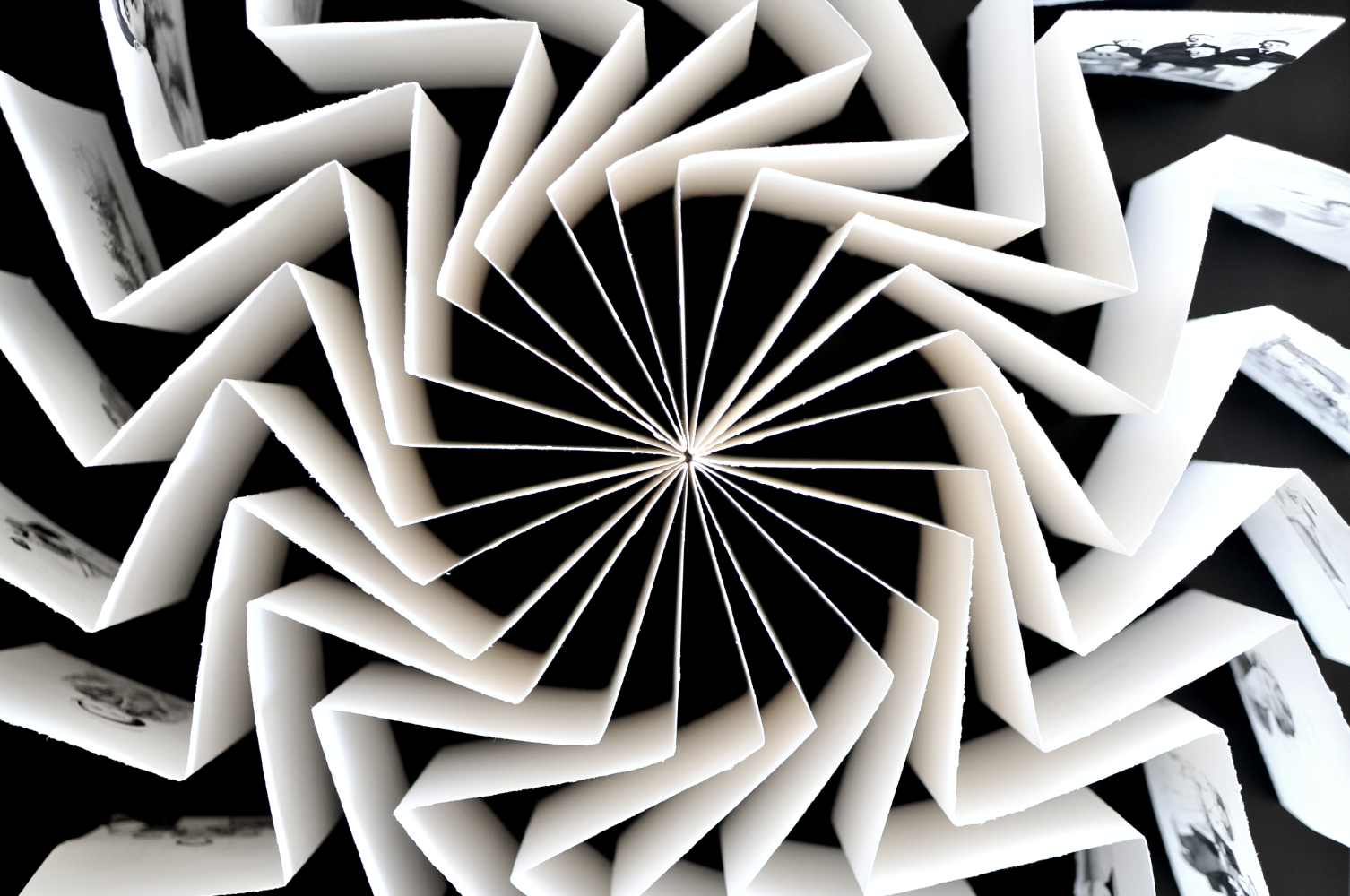
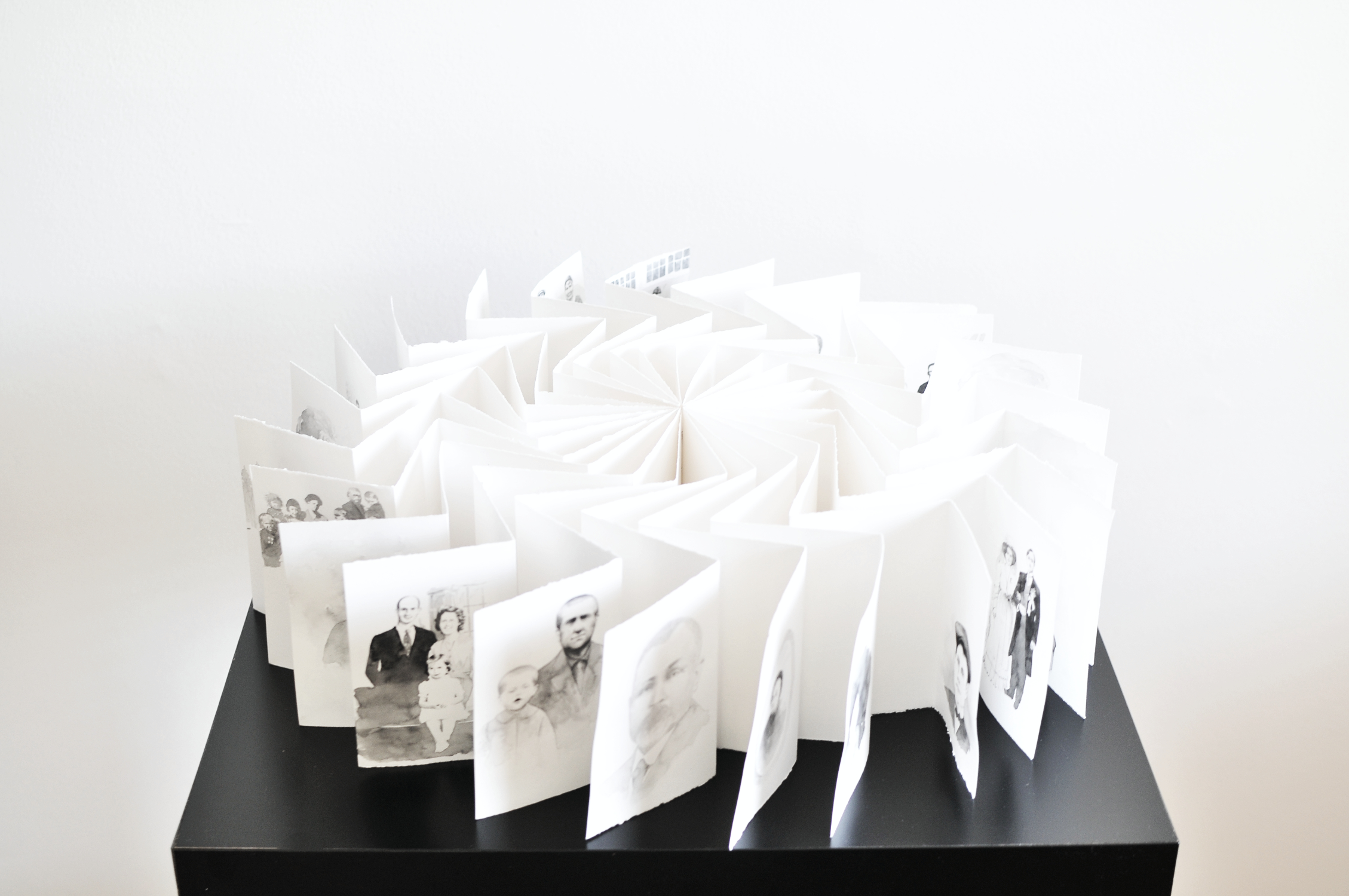
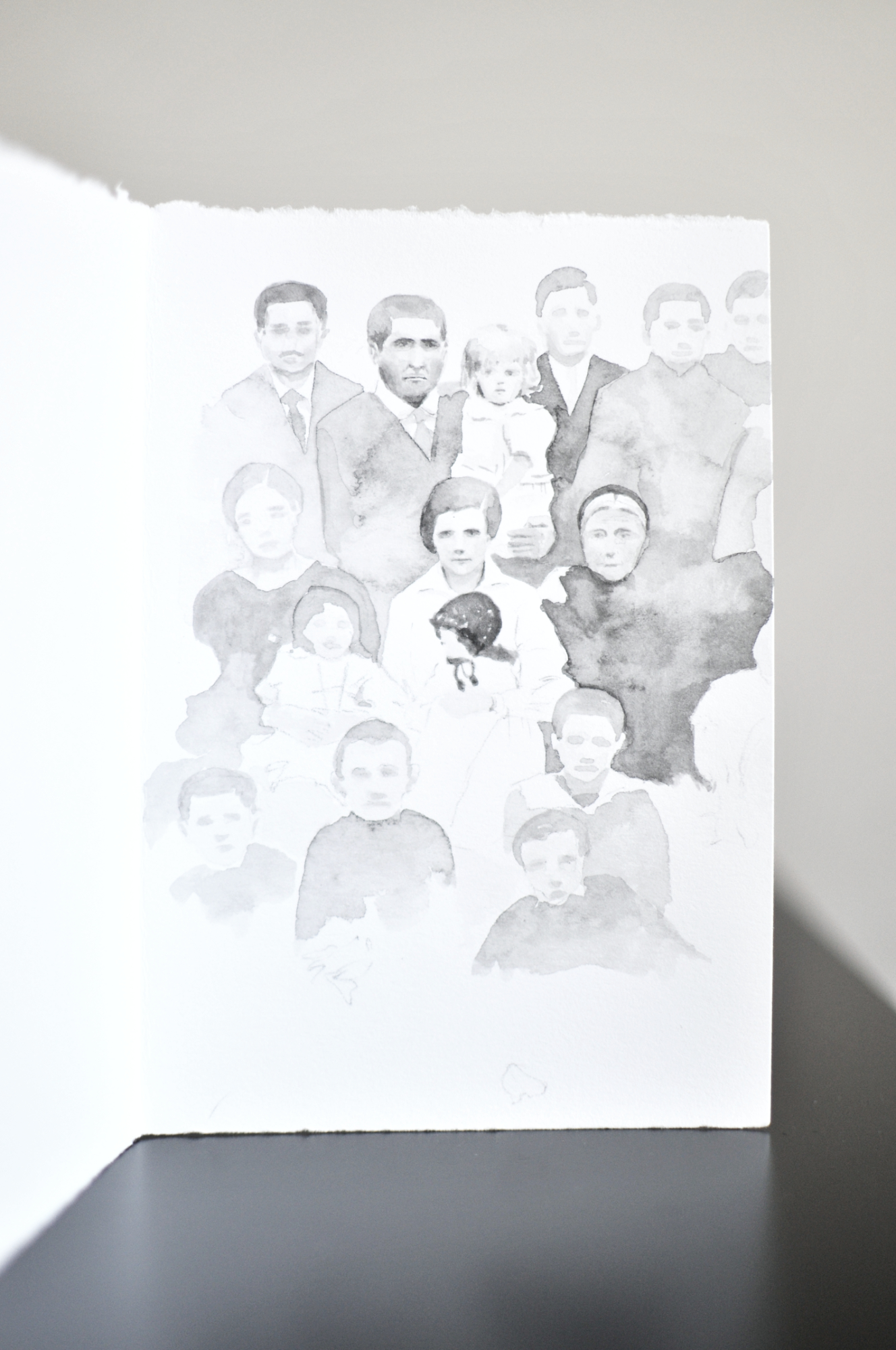
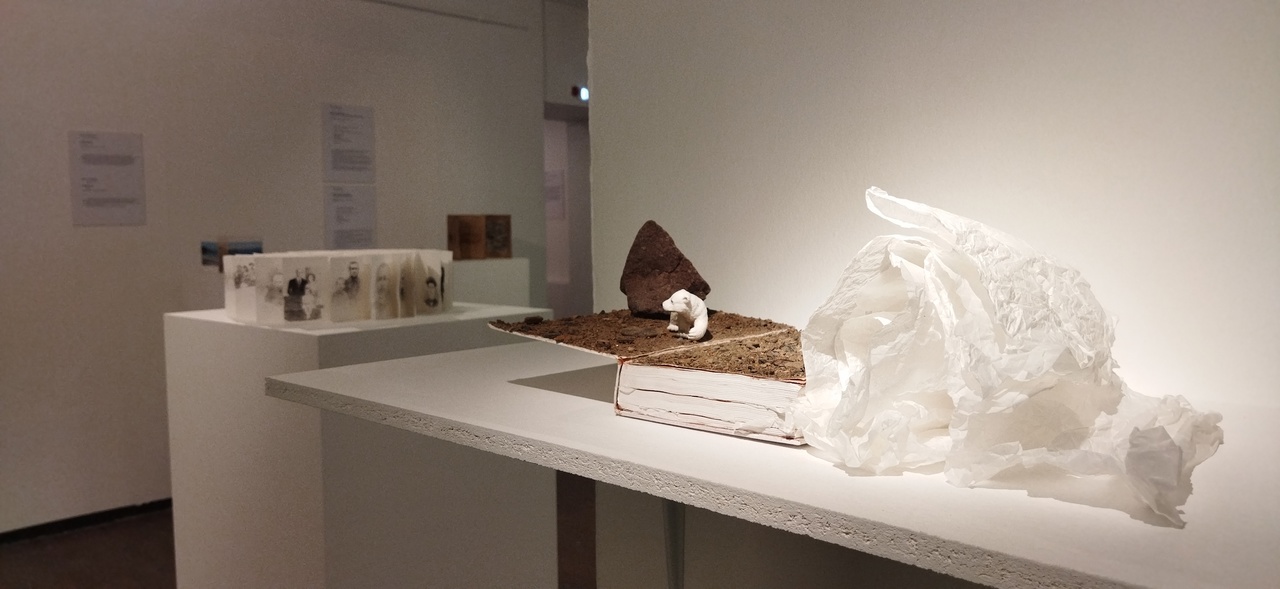
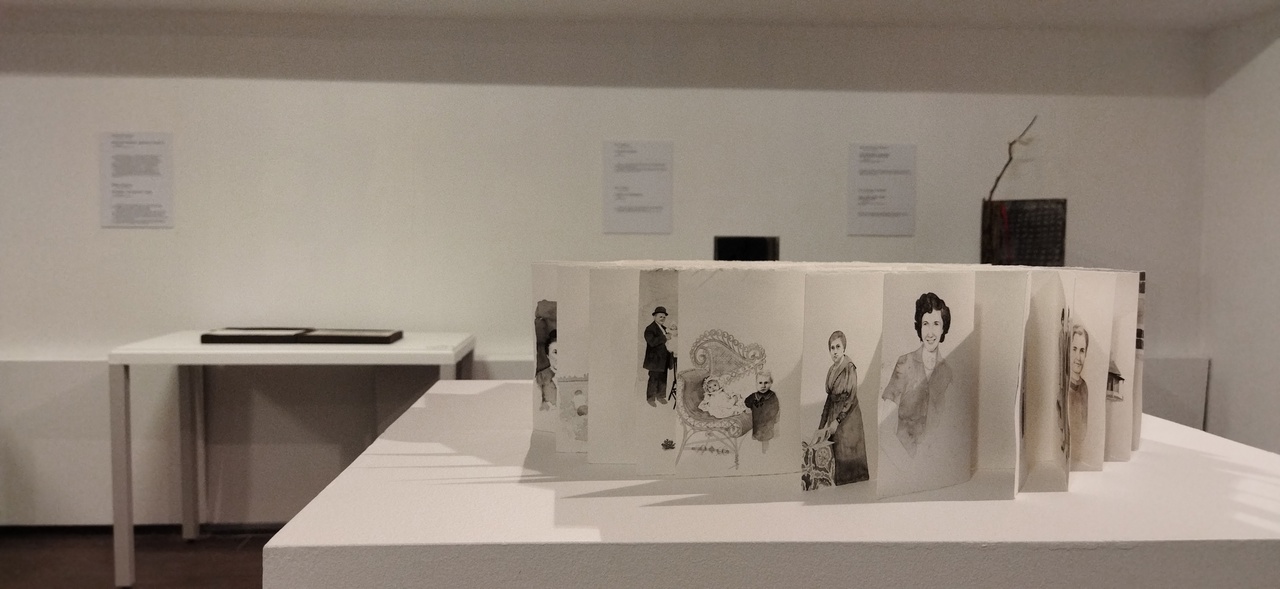
Some of you may remember an artwork I made during the first half of 2020 called Terrēnus Paterna. I created this artbook about my ancestors and their geographical journey to Canada. Many of these lives I never knew, and yet were essential to my being here today. This rotating series of gouache paintings tell silent stories about celebrations and joy, struggles and deep personal losses. A suitcase of loose family photographs provided the majority of my source material for this project. In this jumble of photos were glimpses into the near and distant past. Cat eye glasses, vintage cars, wedding dresses, 1980’s perms, stiff corsets and funerals. These photos not only span time but also geography—from the Russian steppe to the Canadian prairies, the west coast and family holidays. While working on these paintings, I spent hours gazing into these eyes that stared back at me. Looking for connections or clues into their lives (and mine). Some faces were familiar to me… my parents, both sets of grandparents, aunts, uncles and cousins, others were not. Some photos had hand-written notes scrawled on the back with information like names, dates and places. Did the writers know these photos would one day end up in the hands of a future generation that would no longer recognize them? During this project my grandmother Clara, who was living with my parents, passed away at 99-and-a-half-years-old. She is dearly missed. During the same time, I was laid off work and the world slipped into the uncertainty of a pandemic. I poured myself into this project because there wasn’t much else to do. It brought me on a difficult journey, but also got me through a hard time. This artwork was destined for an exhibition in Russia—the birth place of my grandfather and the place where my family’s recent history began as fleeing refugees.

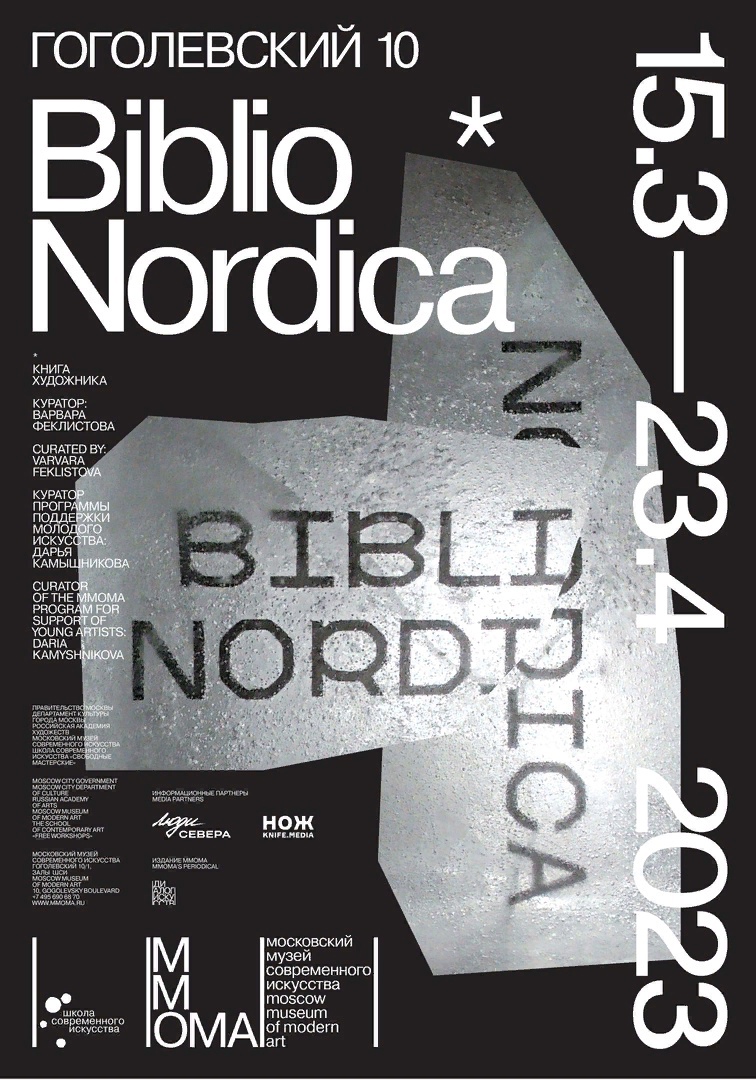
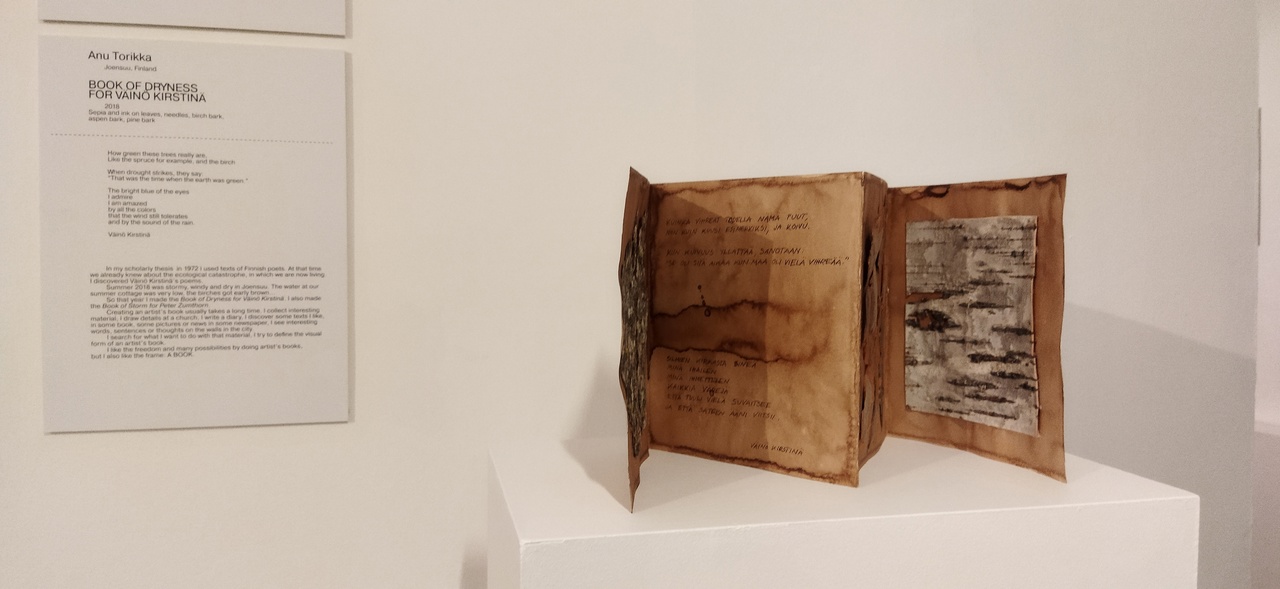
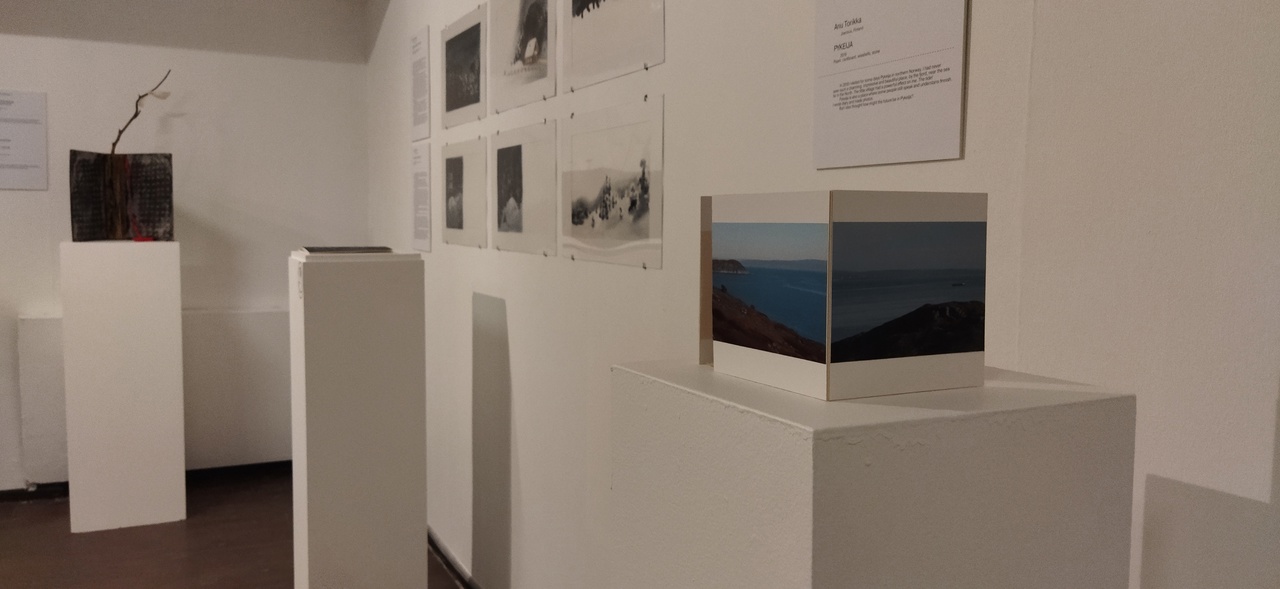
This exhibition was titled Biblio Nordica (book of the north). The original concept was twofold: it focused on the connections between countries that share similar geographical latitudes and asked artists to consider creating art within the open-ended framework of a “book”. I was surprised to be included in this show as I had not previously considered myself from the north as I live in one of the most southerly locations in Canada. However, I am from the north in a global context. The other artists in the exhibition were from Russia, Finland and Norway. When I was contemplating how to begin this project, I kept thinking about my ancestors’ connection to the north. Since leaving their native country about 400 years ago, and settling across three continents, my ancestors called many places home—but all between the 50th and 60th latitude lines. Books are among the most prized and treasured objects in history. Books have been stolen, burned and smuggled. They can be illuminated in gold, embossed, stamped, chiseled, typed or written by hand. But they can also be humble, everyday objects that tell personal stories and communicate ideas. I quickly came to realize that a “book” can be quite an open expression. Just think of the variety of forms: unfurling scrolls, loose tablets, bound into blocks and so on. The purpose of a book is to communicate, and that doesn’t have to be restricted to what is on the pages. Meaning can be incorporated into the form itself. I created my “book” so that when it is viewed from above, it’s form references a diagram of the northern part of the globe.

It soon came time to mail my artwork to Russia. However, I wasn’t able to mail it to the gallery because many countries were not accepting mail at this time. No to be deterred, I ever so carefully packaged these bound paintings and brought them to the post office. This is where my part of the story ends and Terrēnus Paterna begins a story of its own.

After traveling 7,723 km, my dear friend in the UK received my package, re-labeled it and mailed it on to Russia (Russia was only receiving post from a few countries, the UK being one of these locations). A further 3,165 km and my package arrived safely in Petrozavodsk, Russia.

The Biblio Nordica exhibition comprised a collection of work from twelve international artists from Russia, Canada, Finland and Norway. The exhibition was first held in Russia, and then traveled to Finland and Norway. After the shows finished, the artworks were mailed back to the contributing artists. In January of last year, I was excited to receive Terrēnus Paterna in the mail. I had it for a week when I received word that there was an opportunity for Biblio Nordica to be exhibited in St Petersburg, Russia. I re-packaged the artwork, went back to the post office and mailed it directly to the curator (skipping the UK step this time). My package again arrived safely and had now accumulated 32,664 km.

Unfortunately that exhibition never happened, and as the postal service was again suspended, the artworks are still in Russia.

As I sit here writing, it’s hard to distill my thoughts as I process the life Terrēnus Paterna has lived since its creation. I won’t lie, I was pretty nervous about mailing this artwork into an uncertain world, hoping it would successfully arrive at its destination. I spent an entire day packaging it. I even took a video explaining how to unpack it once it arrived and had a diagram included the box about how to pack it up again. I also researched the size specifications of official Russian parcel boxes so that it would be able to be sent back home.

Last month I received an unexpected email from the curator. A gallery in Moscow would like to show the Biblio Nordica exhibition. A thread of emails followed from the international artists involved, sending their enthusiastic agreements for the continuation of this show. It is encouraging to see the desire people have for art to be shared. Whether you are a creator or a viewer, art plays an important role in life. It helps us process thoughts, feelings, relationships and the world around us. Amazingly, a single artwork can speak to many people differently, reaching them where they are art. As I reflect on this opportunity to exhibit in the capital city of my ancestors’ homeland, I find myself thinking about a grainy photograph of my grandfather as a young boy, with his face a little blurred and over exposed. I painted that image of him for Terrēnus Paterna. I wonder what he would think of it. If it would speak to him differently than it did to me. It is my hope that this exhibition will encourage the people that go to see it. That they will find their own personal connections with the work.

I don’t come from famous or noble blood, but from a humble background of hardworking, determined folk. Many of them worked with their hands as farmers, craftsmen, carpenters and builders. The stories of my ancestors are universal: searching the globe for a place to raise their family and call home. Terrēnus Paterna‘s story is not over yet. It has already traveled far more than the people on its pages. Over the last few years I’ve learned something new about art—just because an artwork is completed, doesn’t mean its story has to be.


Biblio Nordica: Moscow

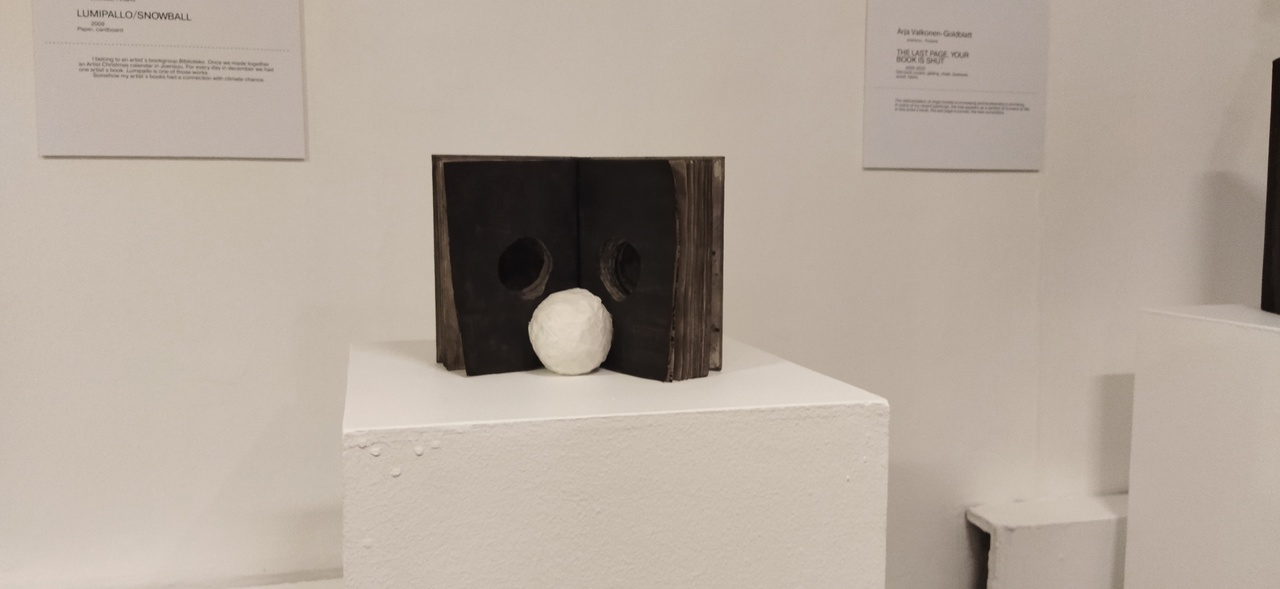
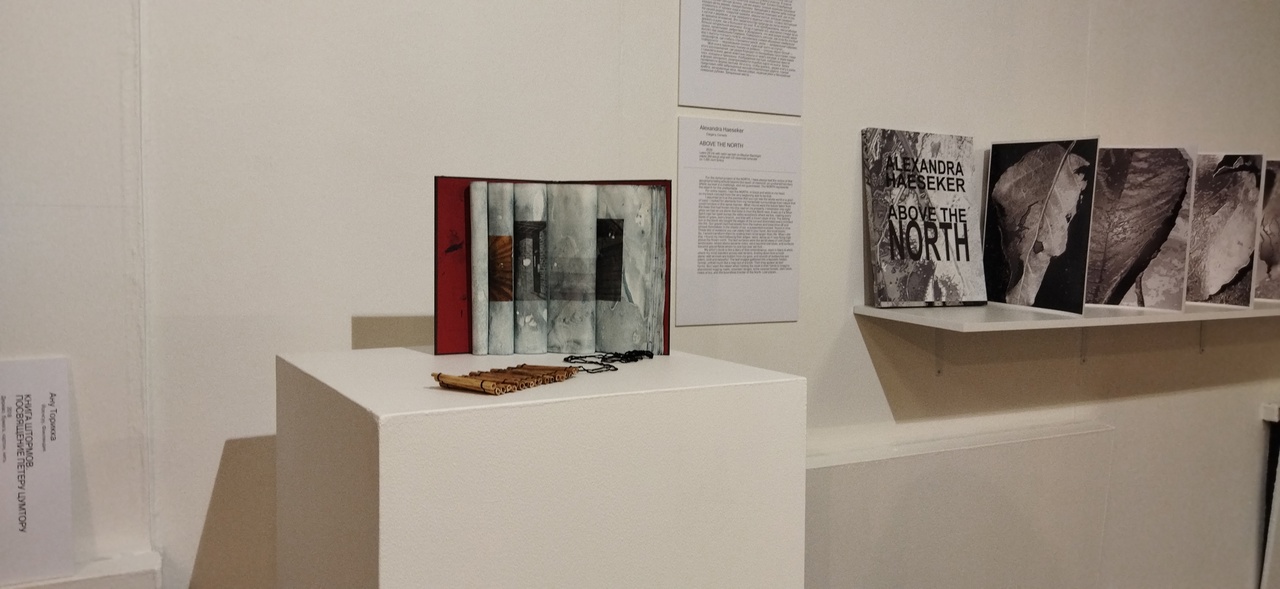
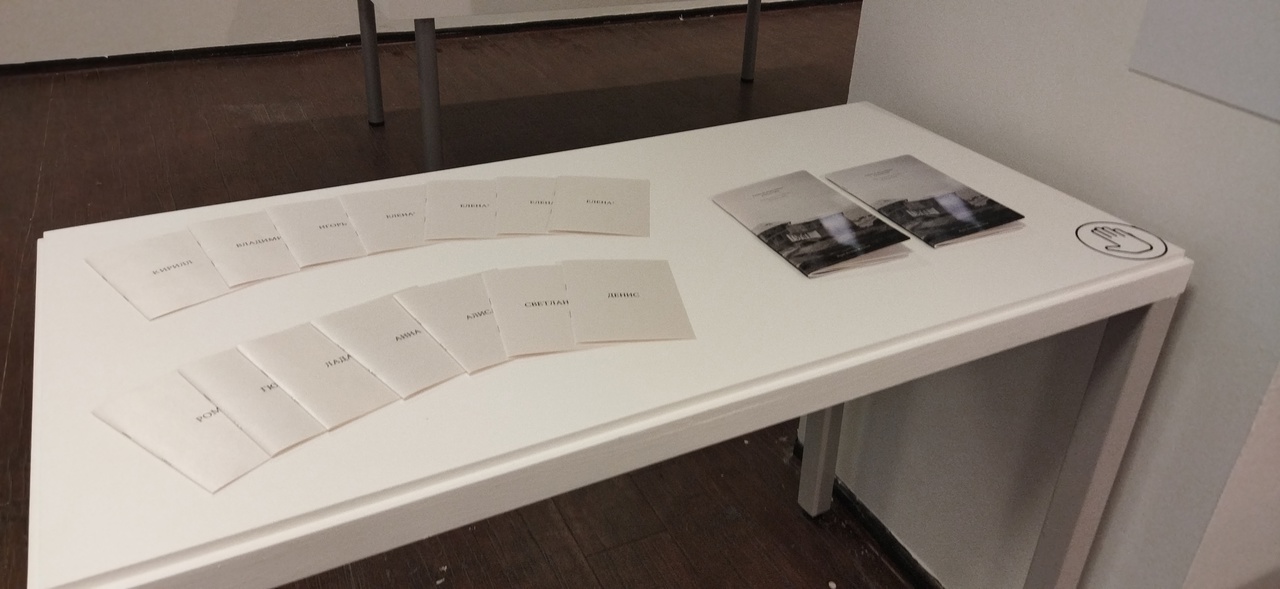
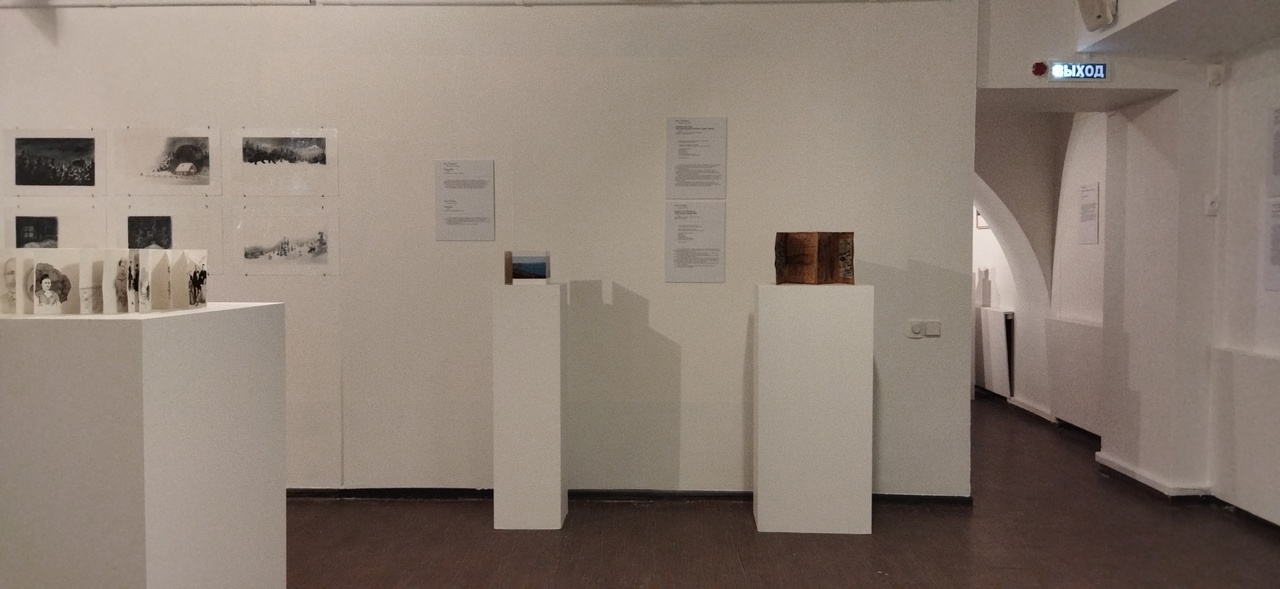
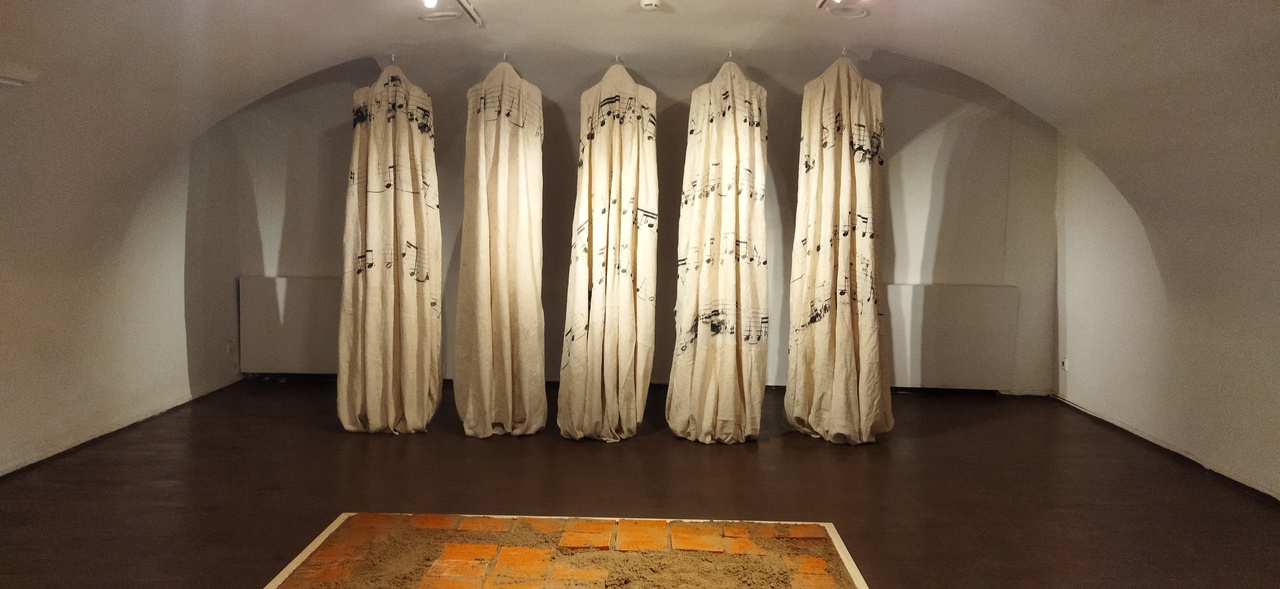
The following photos were taken a few days ago during the installation of Biblio Nordica in the MMOMA (Moscow Museum of Modern Art). This exhibition opened yesterday.

It is with great appreciation that I would like to acknowledge the vision and dedication of the curator of Biblio Nordica exhibition, Varvara, and the Russian artists whose efforts coordinated this forth exhibition.

So… where do artists get ideas from anyway?

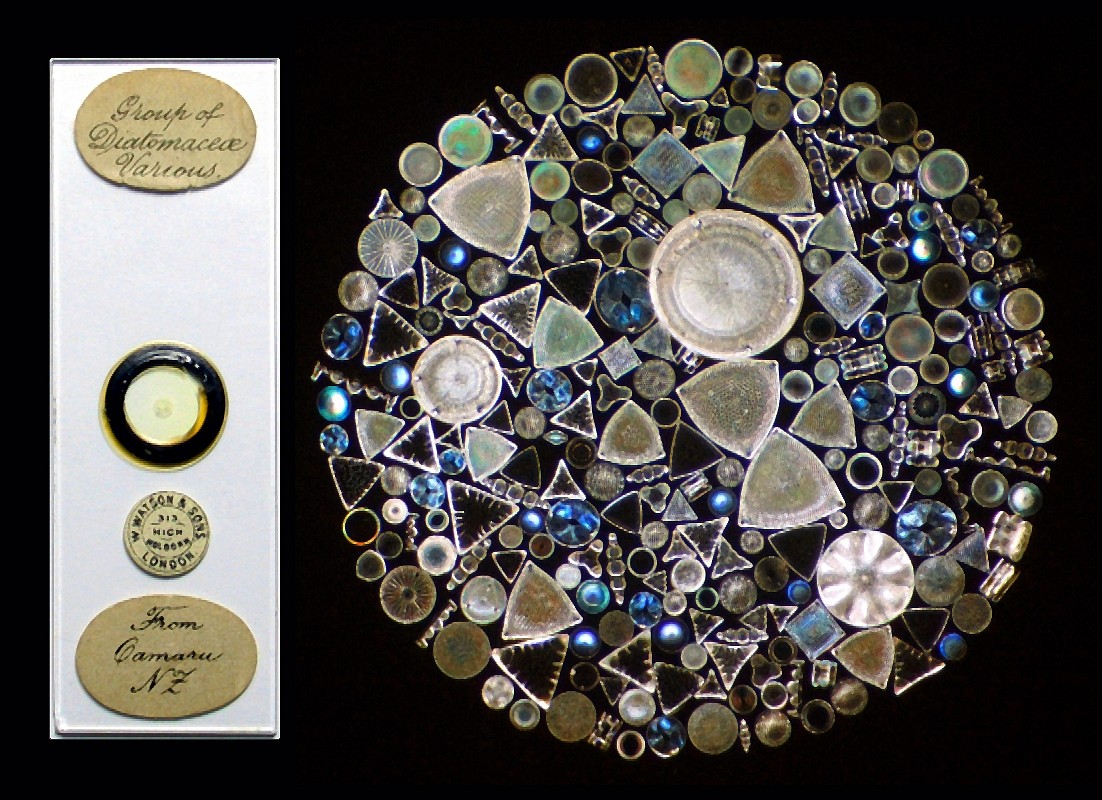
Some ideas may come from the miniature: Watson & Sons, London, c. 1880s, an arrangement of selected diatoms on a microscope slide

The creative muse is an interesting topic… The idea of the Romantic Artist is often clouded with mystery and a sense of the “divine”. As though they were taken hostage by some overwhelmingly brilliant creative epiphany which has lead them to create work that they themselves were powerless but to produce. Sadly, this belief separates the “artistic” (AKA elevated-beings-which-act-as-conduit-for-inspired-creative-genius) from the “non-artistic” (AKA all-the-rest-of-us). I am talking about this in exaggerated terms, but I do think deep down sometimes we feel this way when we are facing a creative block.

Artists sometimes struggle to find that next idea to create work about, but this doesn’t diminish their value of being an artist⁠—it strengthens it. Learning not to give up, but to push through creative blocks is important (as with any other creative field, like music or writing). A wise woman once told me that when she doesn’t know what to do, she spends time in here studio space: tidying, organizing supplies, etc. Consistently being in that creatively designated space is important. She often found while working on random tasks that ideas would start coming. This is such good advice (trust me, I’ve tried it myself)!

Sometimes ideas come from reading about other people’s curiosities: photos of ice crystals by Masaru Emoto

Over time I have discovered that when I am in a creative block and finding it hard to think of ideas, it often is because I have been focusing on “outputting” but not “inputting” and I need to spend some time feeding my curiosity. I find ideas in a few different ways, but the main way is through listening to podcasts and reading books about subjects I am interested in (water, whales, marine life, etc.). Recently, I have been listening and re-listening to episodes from the Whale Tales podcast. I also enjoy following marine researches and conservation groups online because they often share things that I did not previously know. One group that I follow, the Marine Research and Education Society, just announced they are offering a free webinar on March 11th called Collaborating to Protect Ocean Giants about humpback whales and their diet, boater behaviour and studying scarring on whales through ariel photographs. I have have been reading a couple books: The Hidden Messages in Water by Japanese artist Masaru Emoto and How to Read Water, Clues and Patterns from Puddles to the Sea by Tristan Gooley.

Creativity often comes from a sense of curiosity, where we are willing and open to be surprised by discovery. The next time you are at an art opening or open studio, try asking the artist how they find ideas. If you do this, you will likely end up in a wonderful conversation and you may even find your curiosity being fed.

Speaking of curiosity, as I mentioned in my last post, I have been creating a weekend summer workshop called Drawing with Science. Well, here is the inside scoop. Basically, this workshop is indulgently and unabashedly focused on what gets me fired up with creative ideas: the meeting of art and science. Together we will be creating art about nature and scientific concepts, like “the specimen”, and one project even includes using microscopes to make drawings. Lately I have had so much fun researching historic and contemporary artists that make art about science and have had my head filled with inspiration that I can’t wait to share. MISSA workshops are an art retreat and this year they will be running at the lovely facilities of the Shawnigan Lake School and all workshops include lunch (there is even accommodation available if you want to sleep over and have breakfast and dinner there too). My desire for this workshop is to facilitate a safe, supportive environment where we can learn about the connecting of art and science, expand and sharpen our drawing skills, and have fun experimenting.

Maybe you have never taken an art workshop before, or you are a practicing artist or maybe you are a scientist or researcher⁠—you are welcome in this class! If you have any questions, feel free to send me a message.

General Registration opens at noon on February 14th⁠ — Happy Valentines Day!

For more information about the Drawing with Science workshop click here

Drawing with Science Workshop

Psst… I wanted you to be the first to know!

I will be instructing a weekend workshop with MISSA (Metchosin International Summer School of the Arts) in July 2023. Join me for a weekend of ‘Drawing with Science’! Workshops take place at the beautiful location and facilities of Shawnigan Lake School.

MISSA has a reputation of offering transformational learning experiences through instruction by a local, national and international faculty of practicing artists. Specialized courses are designed for professional artists, teachers and adult students. Participants have options to stay on or off campus. Course fees include daytime meals. Breakfast and dinner are included with accommodation cost. You can read more about MISSA on their website.

MISSA 2023 Summer Program Registration Dates

  • January 24 @ 12 noon PST: Full 2023 Summer Program Launch (viewing only)
  • January 31 @ 12 noon PST: Early Registration for Friends of MISSA
  • February 7 @ 12 noon PST: Registration Opens for all

More info coming soon!

November News

I hope this post finds you all well and staying cozy as this cold, wet weather starts to settle in (isn’t it glorious!). Over the last few months, I have been quietly working away towards some upcoming events that are now just around the corner. This month I will be participating in four in person markets, one digital market and have works in two exhibitions here in Victoria. I have compiled all the info below for you in case you would like to drop by any of them. Events like exhibitions and markets are a wonderful way to stay connected with our community, help support our local economy and enrich our own lives—because I guarantee that you will make discoveries (whether its meeting someone new that you connect with, seeing art that surprises you or makes you see something from a new perspective, or experiencing the amazing diversity of ingenuity that lives within our city). Sometimes I find it hard to leave my apartment when it is this time of the year, but I always feel so filled up after I go to events! This is why I enjoy participating in markets—it helps build my sense of connectiveness in my community.

I hope you will enjoy scrolling down through my list of events below. =)

Art Exhibitions

Assemblage at arc.hive Artist Run Centre
About: A group exhibition featuring the diverse practices of arc.hive studio members and board members (I am honoured to be participating as a member of the board).
Artists: Alison Bigg, Lisa-Scarlett Cruji, Laura Feeleus, Kyra Kelpin, Chantal Solomon, Erica Mattson, Regan Rassmussen, Jenn Wilson, Rachel Vanderzwet, Natasha van Netten and Sandy Voldeng
When: The gallery is open 12-4 Saturday and Sundays from November 5 to December 11, 2022
Where: 2516 Bridge Street, Victoria BC
Opening Reception: Saturday November 6 from 5:30-7:30pm
Web Link: Click here.

Winter Small Works Show & Sale at the Art Gallery of Greater Victoria
About: Featuring small and medium sized original works in a range of styles by local artists.
When: Exhibition will be on display in the Massey Sales Gallery from November 17, 2022 – January 21, 2023
Where: Art Gallery of Greater Victoria is located at 1040 Moss Street, Victoria BC – exhibition in the Massey Sales Gallery room
Opening Reception: November 17th from 5-8pm
Web Link: Click here.


Markets

Fall Fling Market
When: Sunday November 6th from 10am-6pm
Location: The Bay Centre, 1150 Douglas Street, Victoria, BC
Admission: Free
Facebook: Victoria Market Collective

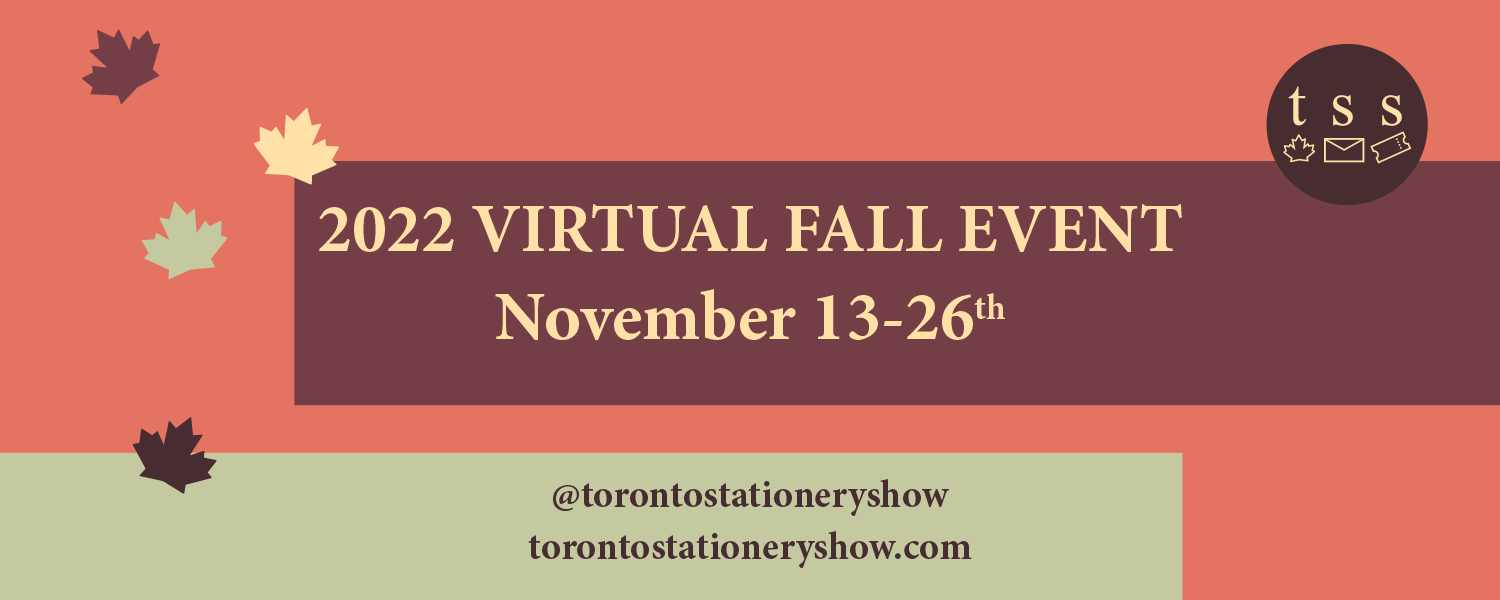
Toronto Stationary Show
When: November 13 – November 26, 2022
Location: Online!
Admission: Free
Website: Toronto Stationary Show

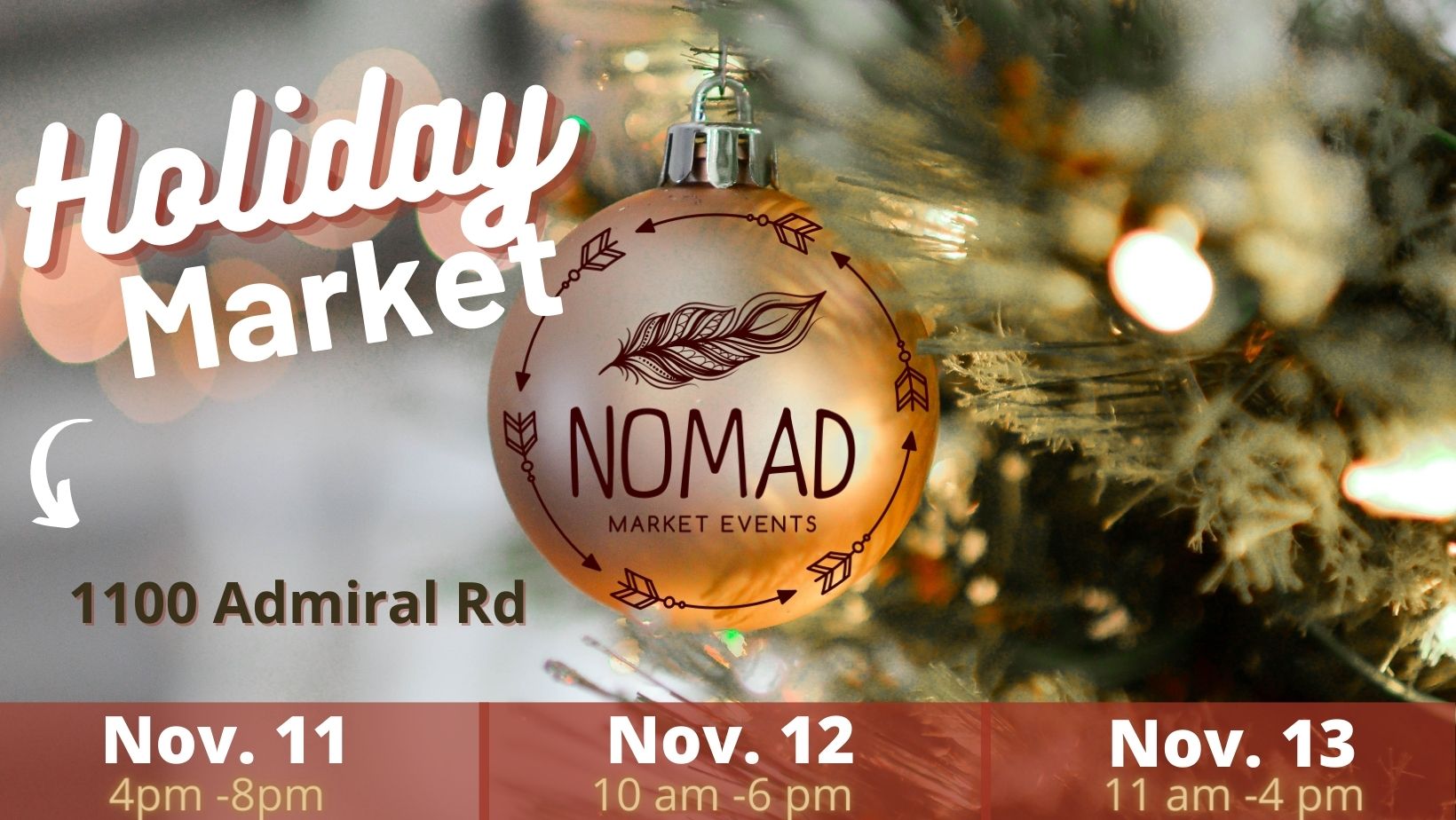
Nomad Holiday Market
When: Friday November 11 from 4-8pm, Saturday November 12 from 10am-6pm, Sunday November 13 from 11am to 4pm
Location: The Wellness Centre, 1100 Admiral Road, Esquimalt, BC
Admission: $5 at the door will be donated to the Cool Aid Society (kids are free)
Facebook: Nomad Holiday Market Event Page

Handmade Village Craft Market
When: Saturday November 19 from 10am-4pm
Location: North Douglas Church, 675 Jolly Place, Victoria, BC
Admission: Free
Facebook: Handmade Village Craft Market

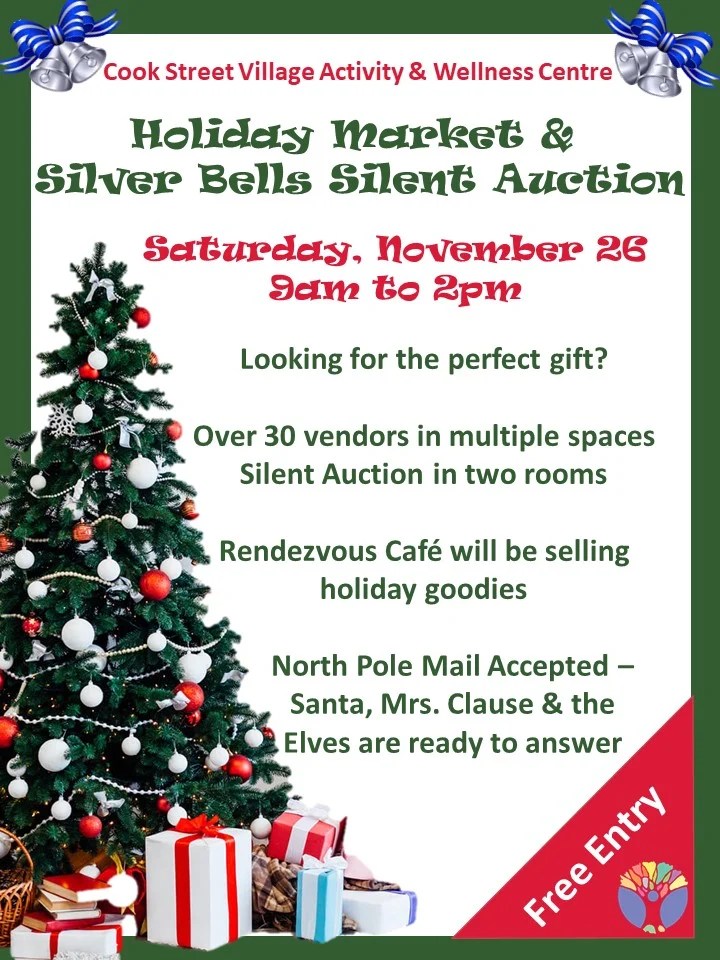
Holiday Market and Silver Bells Silent Auction
When: Saturday November 26 from 9am-2pm
Location: Cook Street Village Activity Centre, 380 Cook Street, Victoria, BC
Admission: Free, but you are encouraged to bring an item for the Mustard Seed Food Bank
Website: Holiday Market and Silver Bells Silent Auction

Find Birds Finding Fish = Find Cetaceans

Marine Research and Education Society Fundraising Trip

Recently I was surprised by a wonderful gift: the opportunity to attend the Marine Education & Research Society‘s Annual Fundraising Trip with a few members of my family. The Marine Education & Research Society (MERS) is a vital, charitable organization based out of Port McNeill on northern Vancouver Island. For the last few years, I have been following them on social media and have been continually impressed by their determination to bring whale/ocean research and education into the public sphere. Their integrity and passion shines through so clearly in everything they do. I consider it an honour to be able to support MERS by donating to their yearly fundraising auction (stay tuned this spring!) and to have my greeting cards carried in their Ocean Store. However, up until this point I had not yet had the pleasure of visiting Port McNeill or MERS in person. I was also thrilled to finally meet Jackie Hildering, AKA The Marine Detective. She is one of the founding members of MERS, and a passionate marine educator/researcher. Spots on these trips fill quickly, and due to the pandemic, this particular trip had been in the works for two years.

I am excited to share some of my photographs, personal reflections and information I learned during this amazing trip with you! I hope you will enjoy scrolling through this post.

Please note that I was using a telephoto lens and have cropped images so that you can see them better. Marine mammals need space to live and thrive. For information about Canadian Marine Mammal Regulations and tips on how to avoid collisions with cetaceans, check out the See A Blow Go Slow webpage. It is an excellent resource full of solid, practical information.


Otters

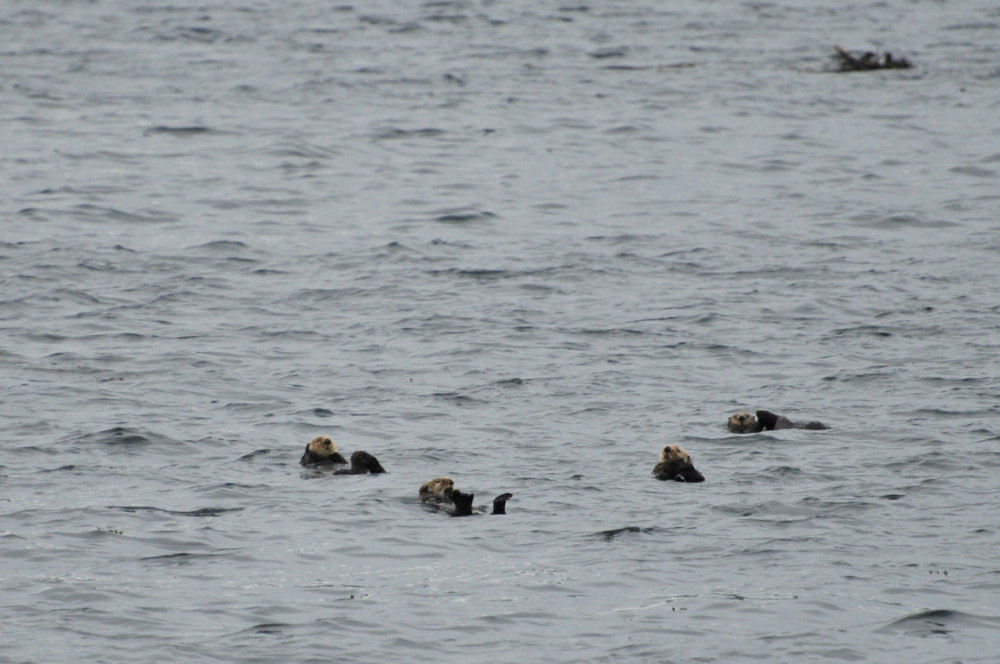
The first marine mammals we encountered were sea otters. This was the first time I’ve seen sea otters. Sea otters used to be plentiful along our coasts, however the last one was shot in 1929/30. In the late ’60’s and early ’70s there was a re-population effort made by the Canadian and US governments. They took otters from Alaska and introduced them to a location on the northwest coast of Vancouver Island. Thanks to this project, the sea otter population is establishing themselves and expanding their territory. It is because of that project that I was able to see sea otters for the first time. During the trip we were told that the individuals we observed were males (the females preferring other locations) and that you can tell who was the most “distinguished” in years. As they age, their face becomes whiter. With the reintroduction of sea otters (a previously native species), there are visible impacts on the marine environment. Sea otters love to eat sea urchin, which love to eat kelp. Now that the sea otters are back and happily munching away on these spiny treats, the kelp forests are changing and growing. This of course has many subsequent impacts on the marine environment, food chain and even humans that depend on the ocean for their livelihood. A complex story for sure, but also a hopeful one!

Birds

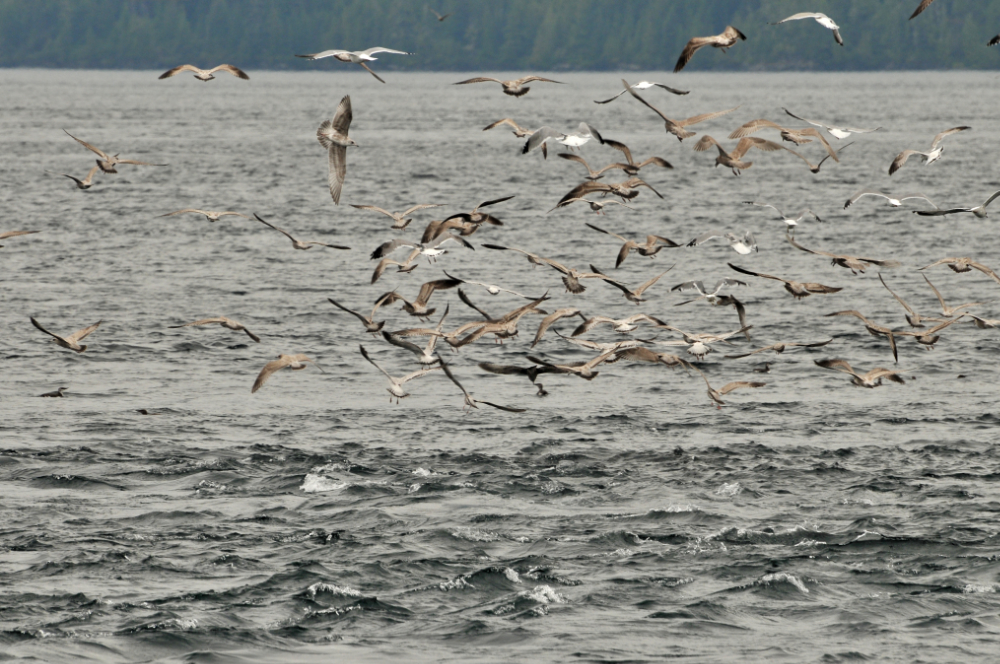
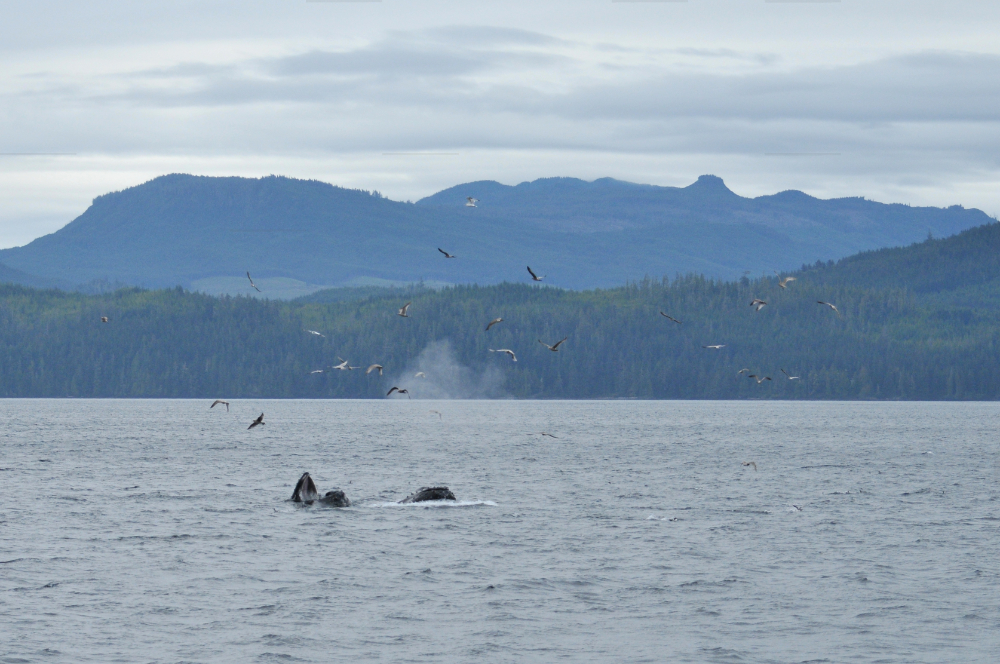
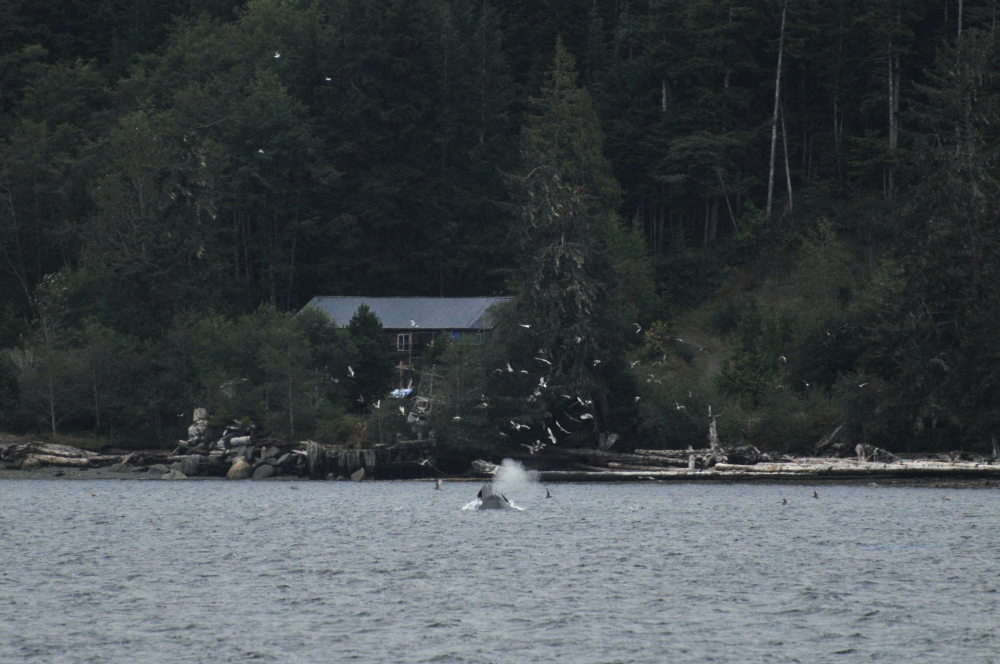
One of the most visually impactful sights I witnessed was not even seeing whales. It was seeing birds. Vaporous clouds of birds! Seemingly out of nowhere, all of a sudden, these active formations would appear hovering over the surface of the water. Then they would disintegrate and reform in another location. It was hard to take my eyes off of these winged swarms. And if you watched long enough…. *pfffffft* A spout! And another! It almost looked as though the whales were tracking these ethereal clouds (although I honestly don’t know how much they see of these birds from a distance underwater). But they share a common motivator to these birds. Swarms of birds = swarms of fish. I found these bird clouds fascinating because it was like they were giving us a picture of what was happening under the water, where I cannot see. Swarms of fish are called “baitballs”…. I think I am going to call these bird clouds birdballs.

Dolphins

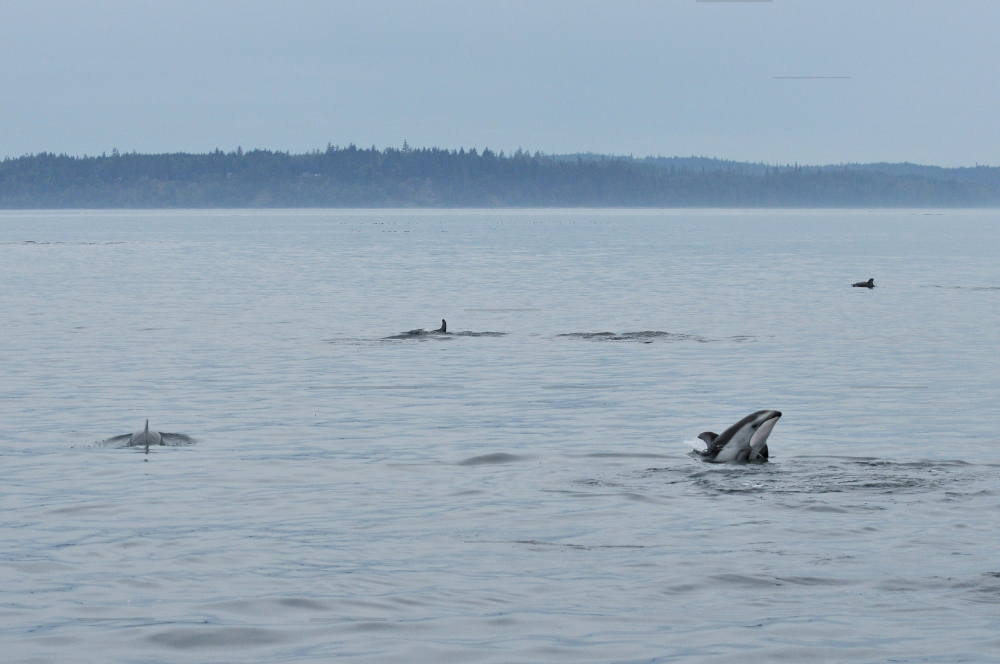
There was a point along our trip when we were stopped and watching some humpbacks feeding, when the water started to practically boil with activity. Pacific white-sided dolphins! They were very active and, like the humpbacks and birds, ready for a hearty dinner of fish. They were doing something called “porpoising”, which means that they were leaping out of the water as they swam. As I stood there in awe, trailing them with my camera lens I caught a blur of brown. What? A brown dolphin? No. It couldn’t be. Could it…..? It flashed by again! A pair of huge sealions! And yes, they were swimming with the dolphins. Rolling around each other and….yup! They were porpoising too! According to estimates of the crew, there were possibly around 100 dolphins (and two rather outgoing sea lions).

Porpoises

And speaking of porpoises…. this leads me to the next cetacean species that we encountered. Years ago I was reading about a specific species of porpoise that is a blocky, funny-looking creature. Apparently, when they surface, they look like a rotating square. Ever since I read this description, Dall’s porpoises have been on the very top of my Cetaceans I Want To See List. I could not believe my eyes! These little speed devils zipped around so fast. Splashing, rotating square porpoises! I am not sure how many there were…. maybe about 5 or 6. They were closely escorting a humpback by the name of Ridge (BCX1249)…. much, it seemed, to his aggravation. I am not sure why they were hanging out to closely to him, but he seemed to not particularly enjoy the attention. At one point he surfaced and gave an auditable exasperated sound when he exhaled. This behavior is called trumpeting. I have read about this, so it was amazing to actually hear it. We saw Ridge a few more times a little later on… still surrounded by his edgy entourage.

Whales

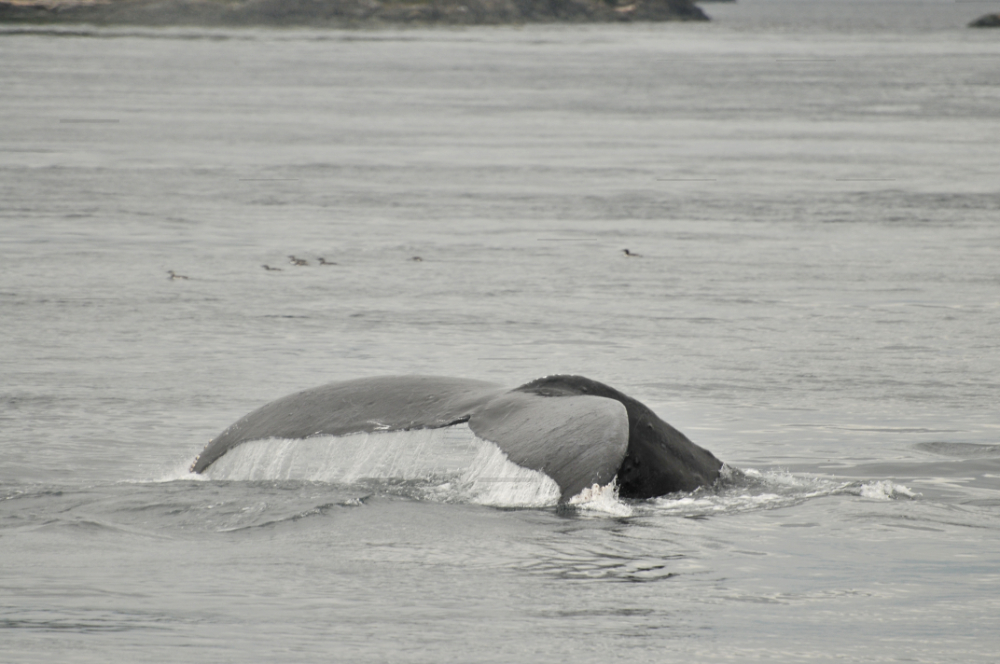
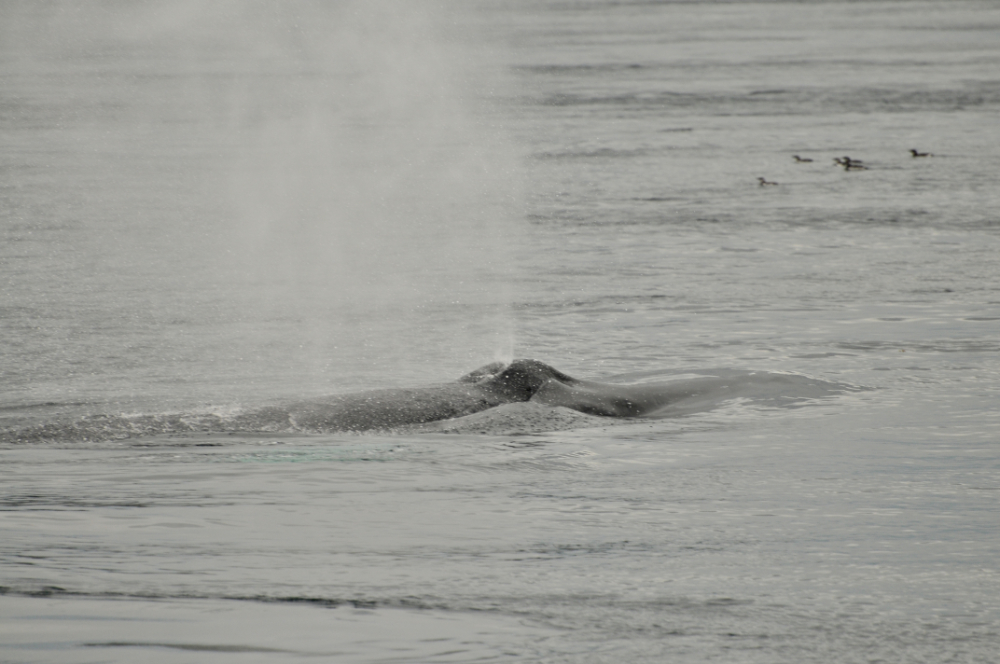
You were probably wondering if I was ever going to show you pictures of whales. Well, here they are. And not just any whales, humpback whales! As adults, these giants can grow up to 14-17 meters in length and weigh up to 40 tonnes. I have already mentioned a few things about humpbacks above, because it is hard to talk about one species without mentioning the ones around it. Humpbacks, like many other large whale species, were heavily whaled along BC’s coasts. This came to an end in 1964. The humpback population has taken a long, slow path to recovery. When MERS started cataloging humpbacks along the north coast of Vancouver Island in 2004 they were not spotted regularly but the numbers have been greatly increasing since then. Here is an interesting article by CTV News interviewing Jackie about the “humpback comeback”. Like the sea otters, it is encouraging to hear about these populations that were pushed to the brink of extinction and have somehow managed to bounce back. Many of the humpback whales we observed were feeding on large groups of small fish with the changing tide. We watched two different types of feeding strategies be employed by humpback whales: lunge-feeding and trap-feeding.

Lunge-Feeding: The first humpbacks that we encountered was a mother, Black Pearl (BCX1460), teaching her calf, Kraken (2022 calf), how to lunge-feed (see my photos for reference). When there is a large concentration of fish, humpback whales can employ this technique by diving and traveling under water to be under the baitball. Then they swim vertically to the surface while opening their gigantic mouth, which expands their throat pleats like a parachute and allows them to capture many fish inside. When they close their mouths at the surface, they use their tongue to push the water out of their mouth between their baleen plates, which act like a sieve, straining out the water and keeping the tasty fish inside. It was so special to be able to observe a mother passing along this knowledge to her little one.

Trap-Feeding: This feeding strategy uses less energy from the whale than lunge-feeding. Humpbacks seem to employ this technique in situations where there are less dense concentrations of pray–when they want a “snack” but don’t want to work too hard for it. In this case, whales seek out birdballs (my term for concentrations of birds feeding on fish) and stealthily sidle up with their huge mouth open at the surface. The fish are frantically trying to get away from the birds and think, “Oh look! A cave to hide inside where we can get away…..”. And they hop/jump and swim into the shelter of the waiting humpback’s mouth. It’s almost cheeky on the whale’s part and incredibly cleaver!

For more information, diagrams and videos on these feeding strategies, check out this post by MERS.

This past weekend was Thanksgiving. I have so much to be grateful for in life, including YOU! Thank you for your support in reading my blog posts and for staying connected. This community is a huge encouragement to me. Art is often considered a private activity. However, I believe that when you view and engage with artworks, they become active and alive. Your participation fulfills the purposes of art. As an artist, I could not do what I do without you. Thank you for joining me in this journey. ❤

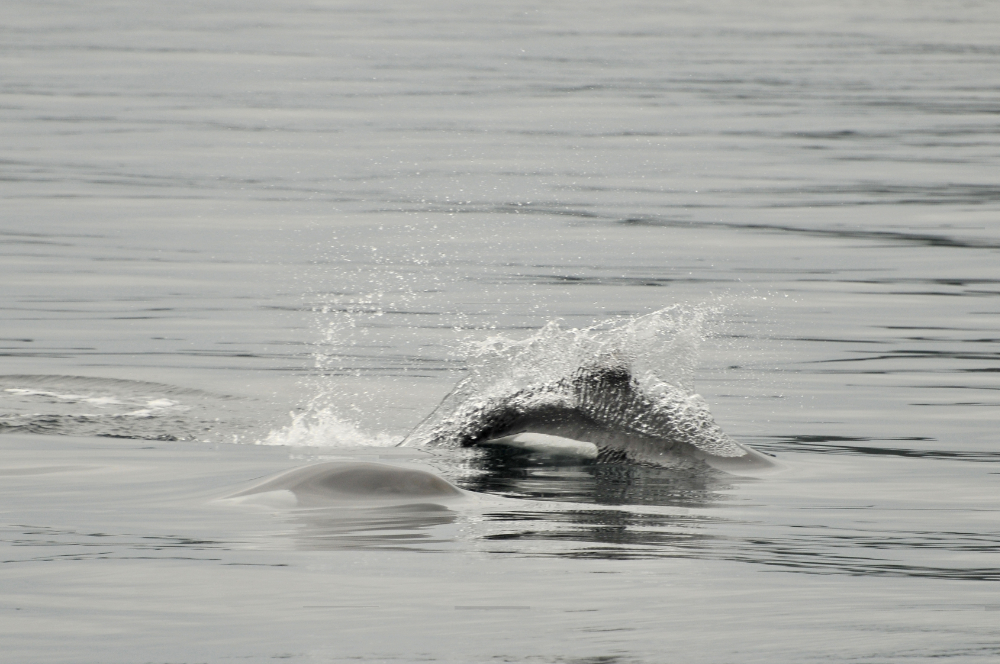
This photo shows a whale’s flukeprint (like a footprint left behind on the waters’ surface)

I am also very grateful for the gift of being able to participate on this trip, to get to know MERS and the MERS team better. Thank you Mackay Whale Watching for hosting us your beautiful vessel.